Intentional Camera Movement (ICM) Finding Expression Through Motion
Photography is often associated with freezing a moment in time — preserving a scene exactly as it appears. Intentional Camera Movement (ICM), however, challenges that idea by embracing movement, abstraction, and unpredictability. Instead of focusing on sharpness and precision, ICM allows the photographer to create images that are more interpretive, expressive, and emotional.
When I first came across an Intentional Camera Movement photograph, I was immediately curious. At first, I wondered what exactly I was looking at. It felt different from traditional photography — less about documenting reality and more about transforming it. That curiosity pushed me to research the technique further, and once I understood what it was, I thought to myself: why not try it in street photography?
Street photography is usually built around timing, observation, and capturing decisive moments, but introducing ICM into that genre opens up an entirely new way of seeing the final outcome. Rather than focusing purely on subjects and detail, I began exploring movement, rhythm, light, and atmosphere.
At the beginning, like with any new technique, it was a process of trial and error. I quickly realized that ICM is not simply about moving the camera randomly during an exposure. Every scene demands a different approach. The type of movement — whether vertical, horizontal, rotational, or even zooming — changes the final result completely. Shutter speed also plays a major role, as even small adjustments can dramatically affect the image. A busy street scene requires a different treatment from trees, architecture, or moving figures.
What fascinated me most was how unpredictable, yet rewarding the process could be. Unlike conventional photography, where technical perfection often takes priority, ICM encourages experimentation and acceptance of imperfection. It taught me to trust instinct, react to the scene differently, and embrace the unexpected.
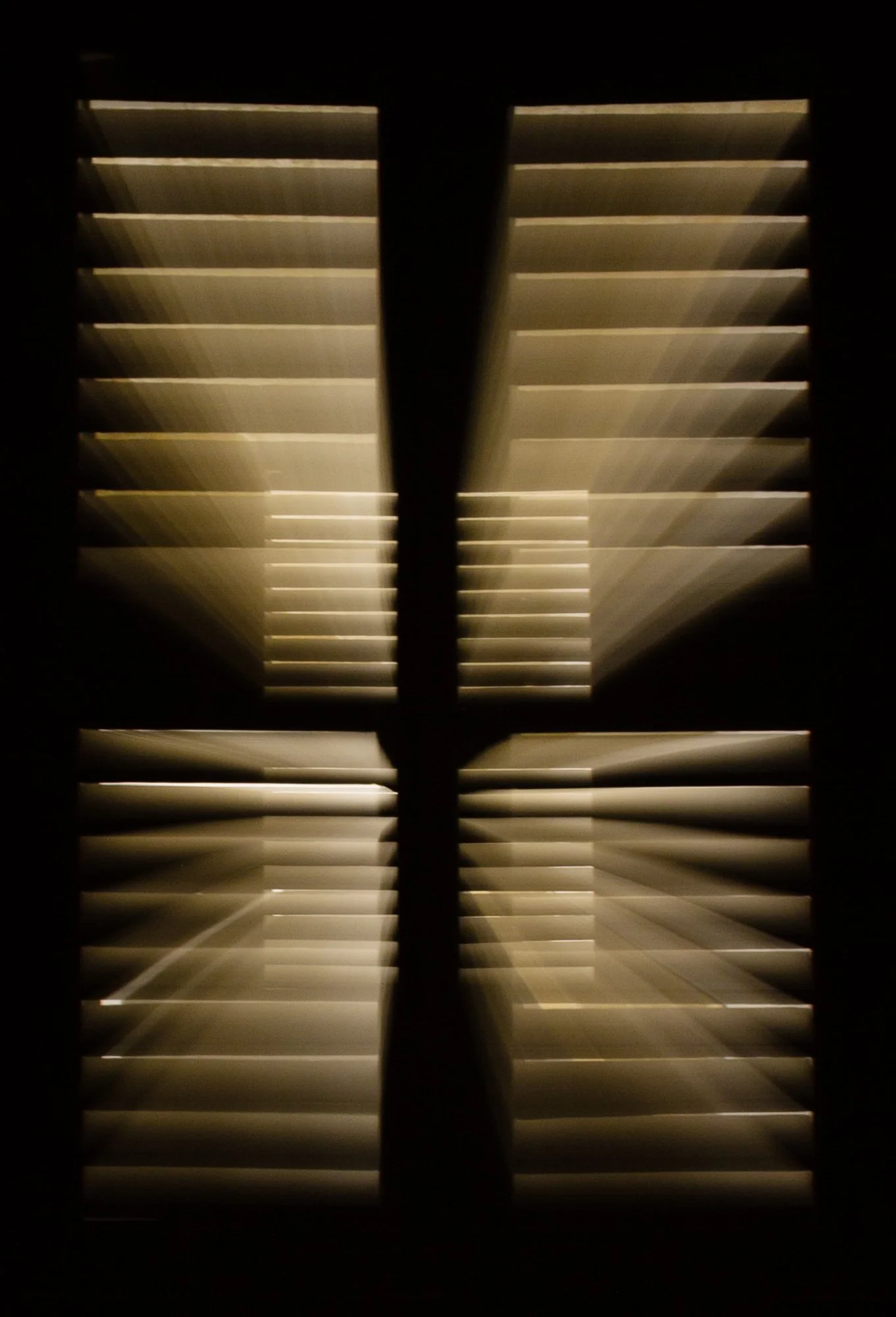

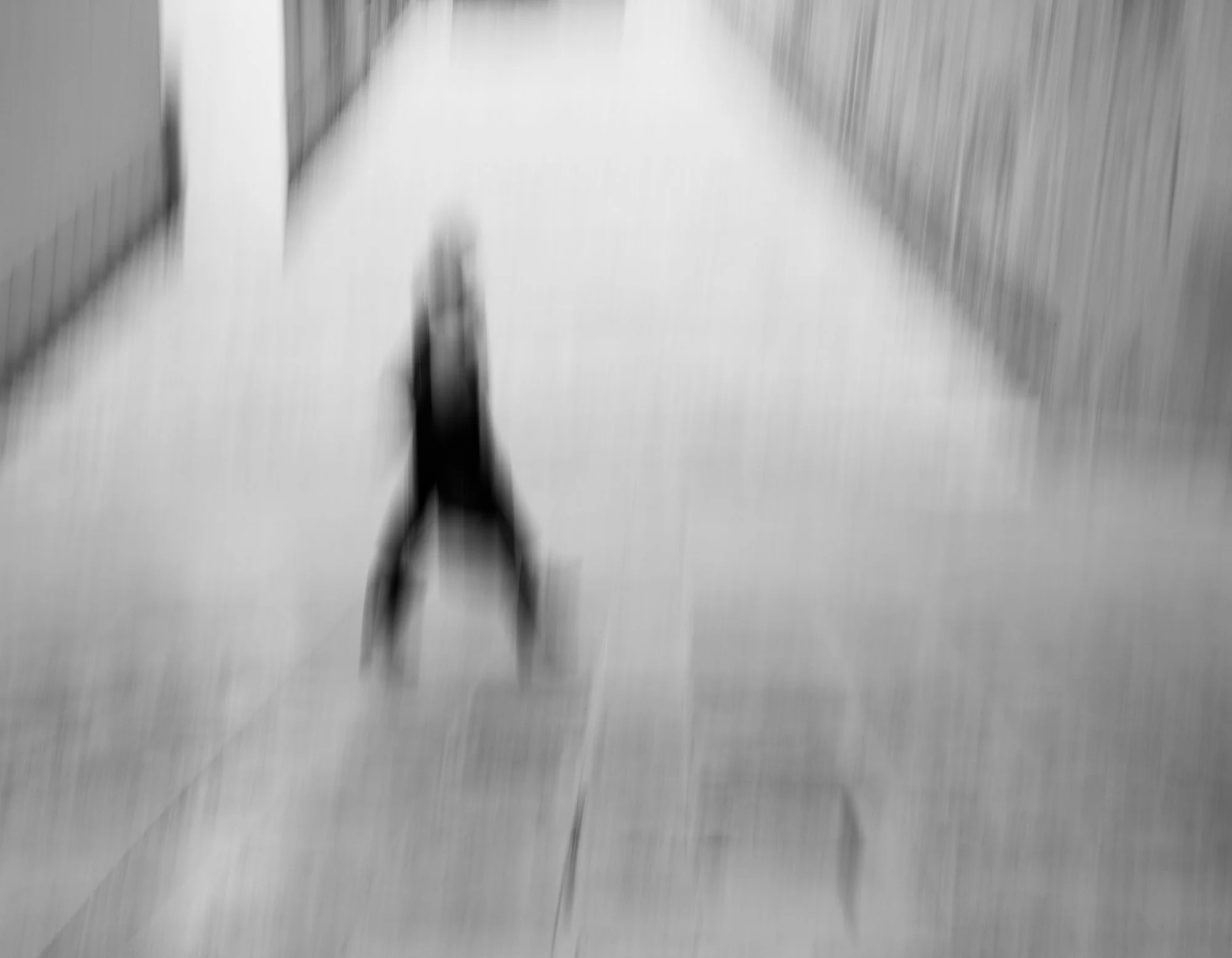
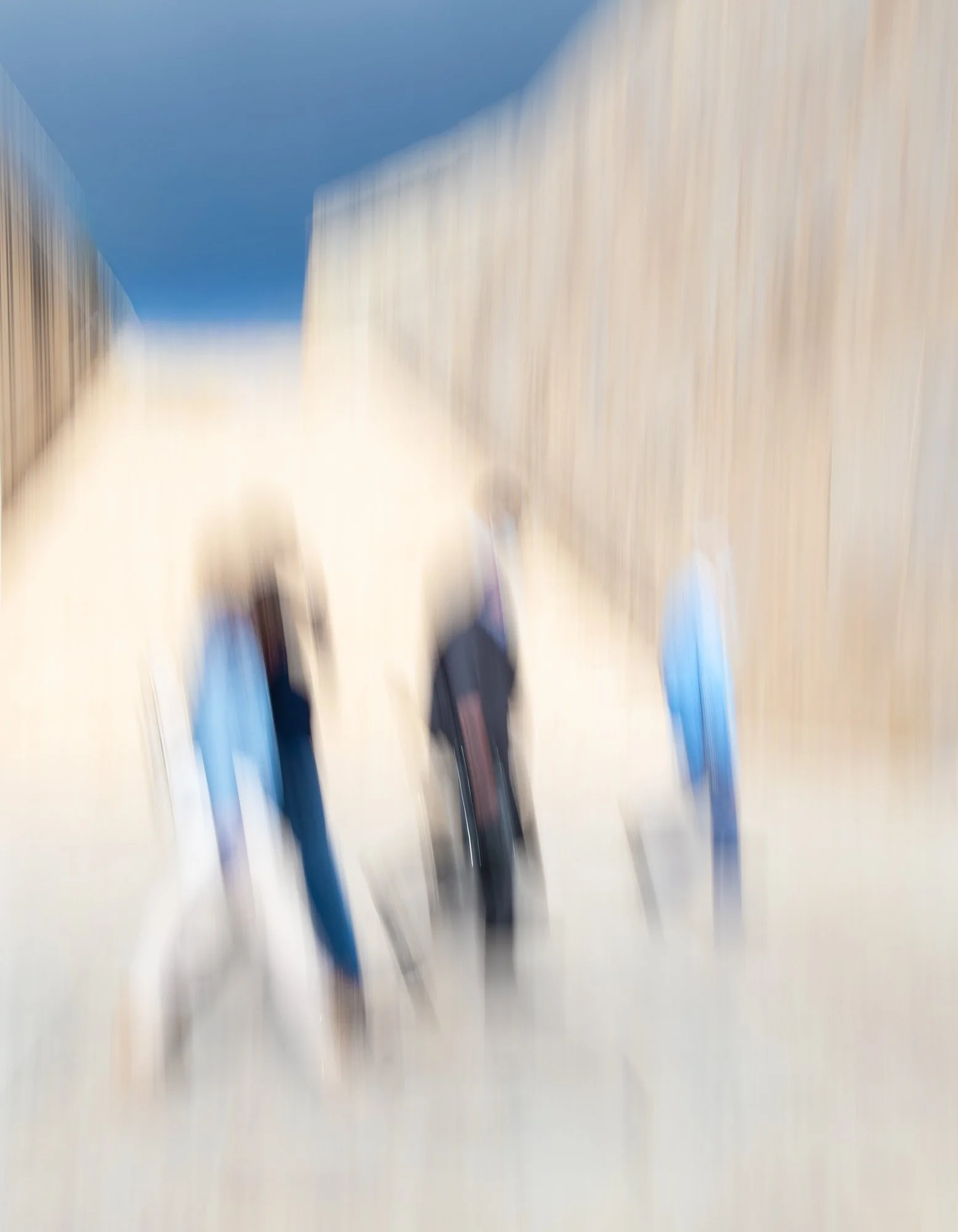
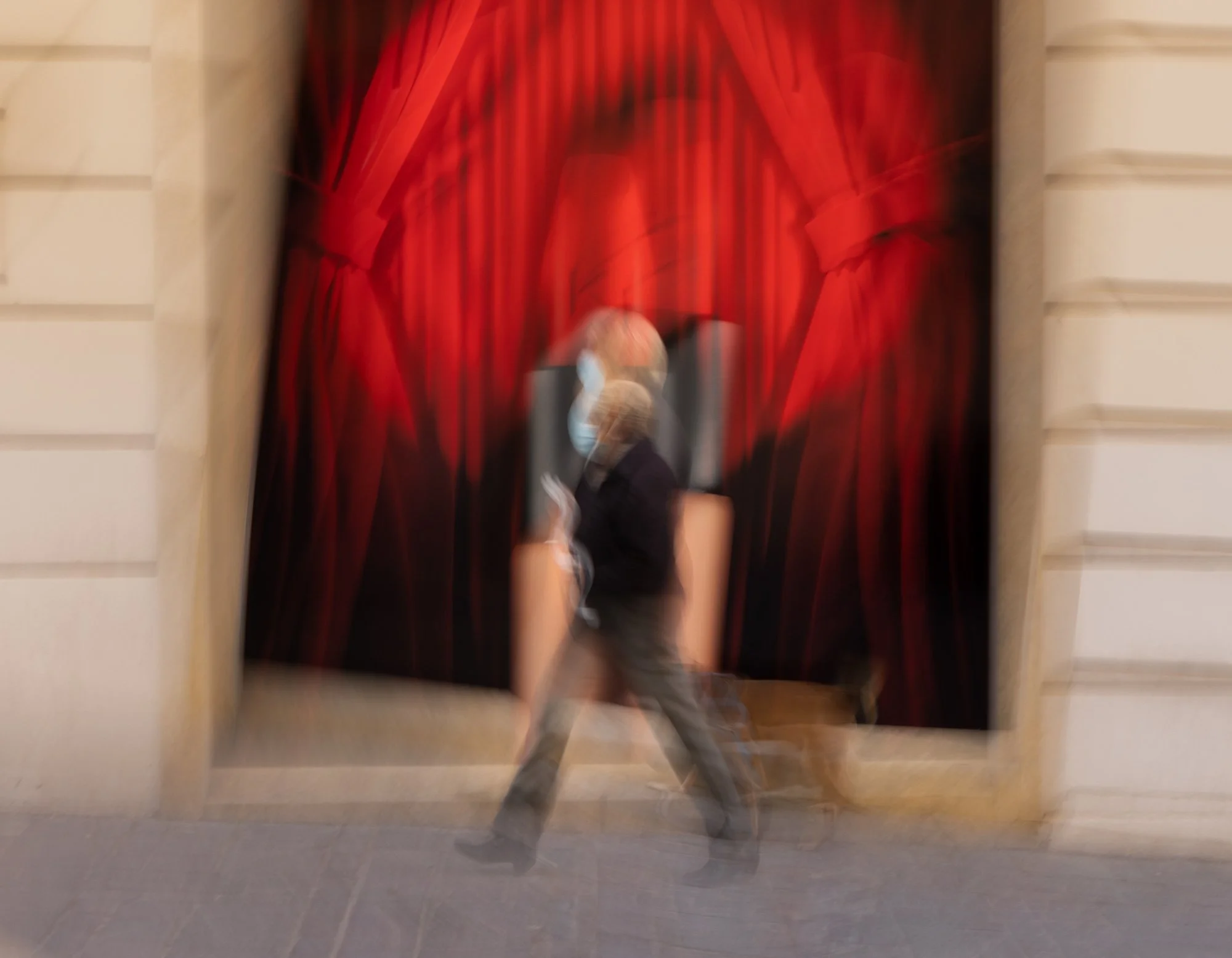
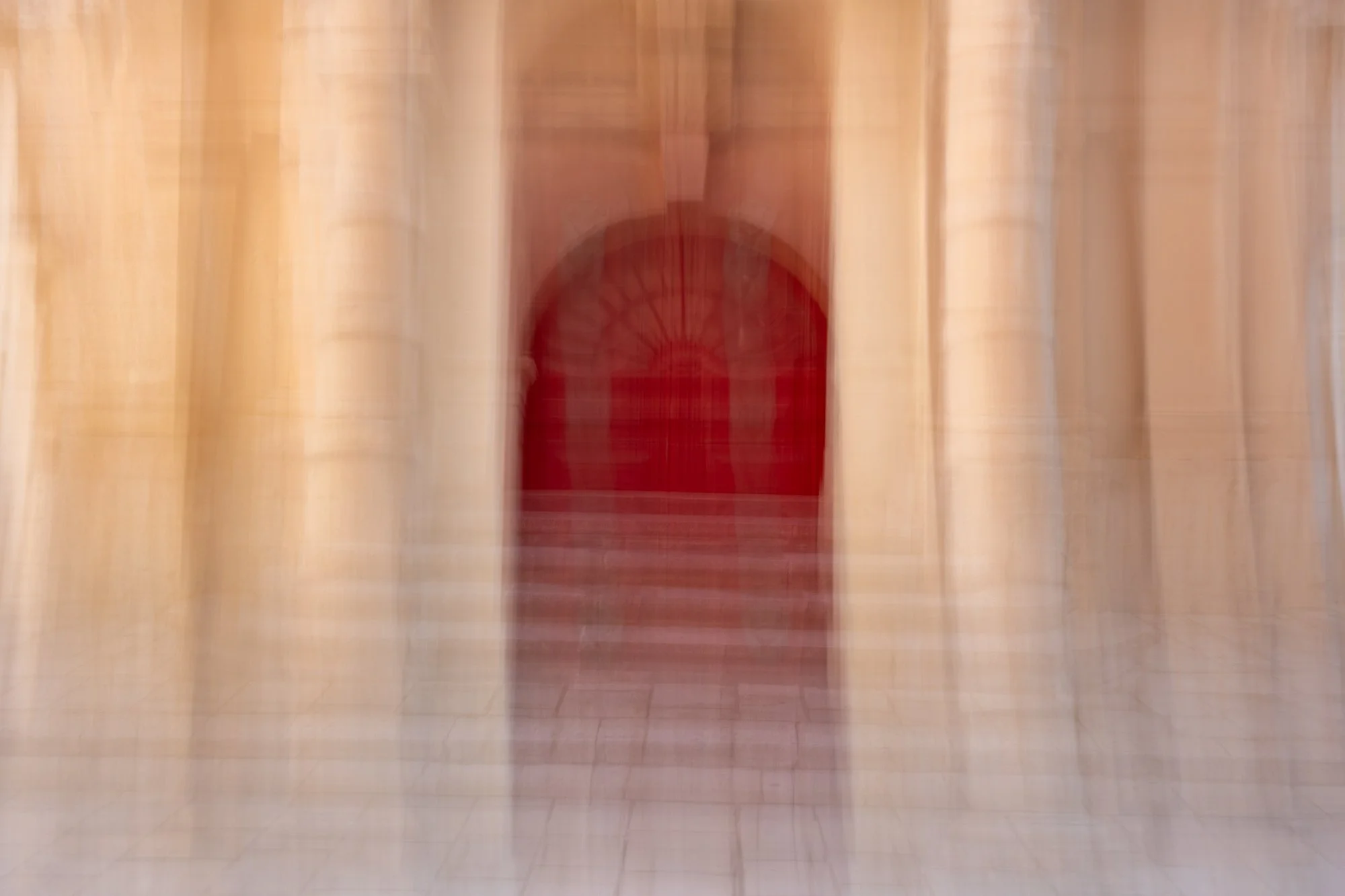
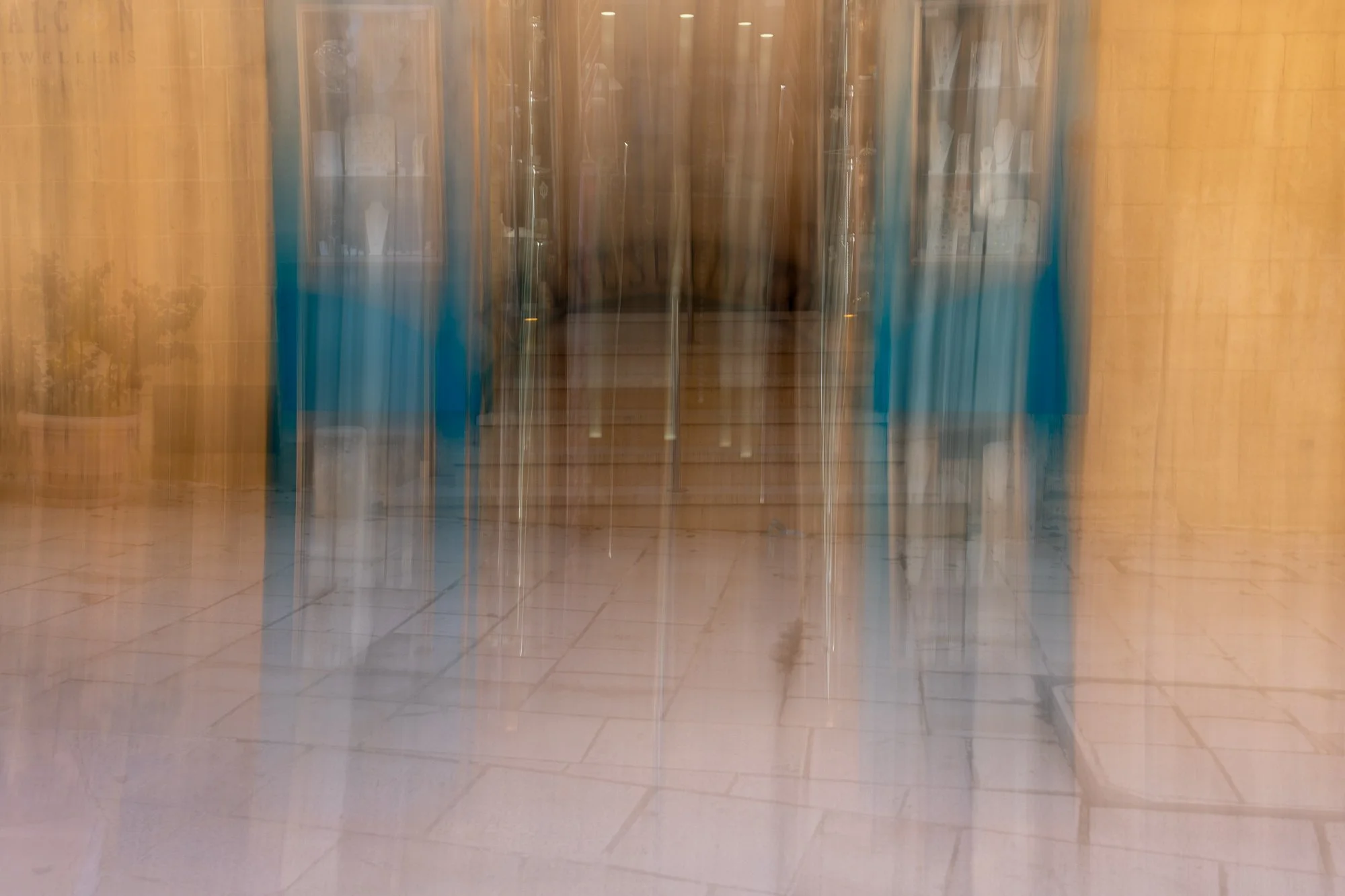
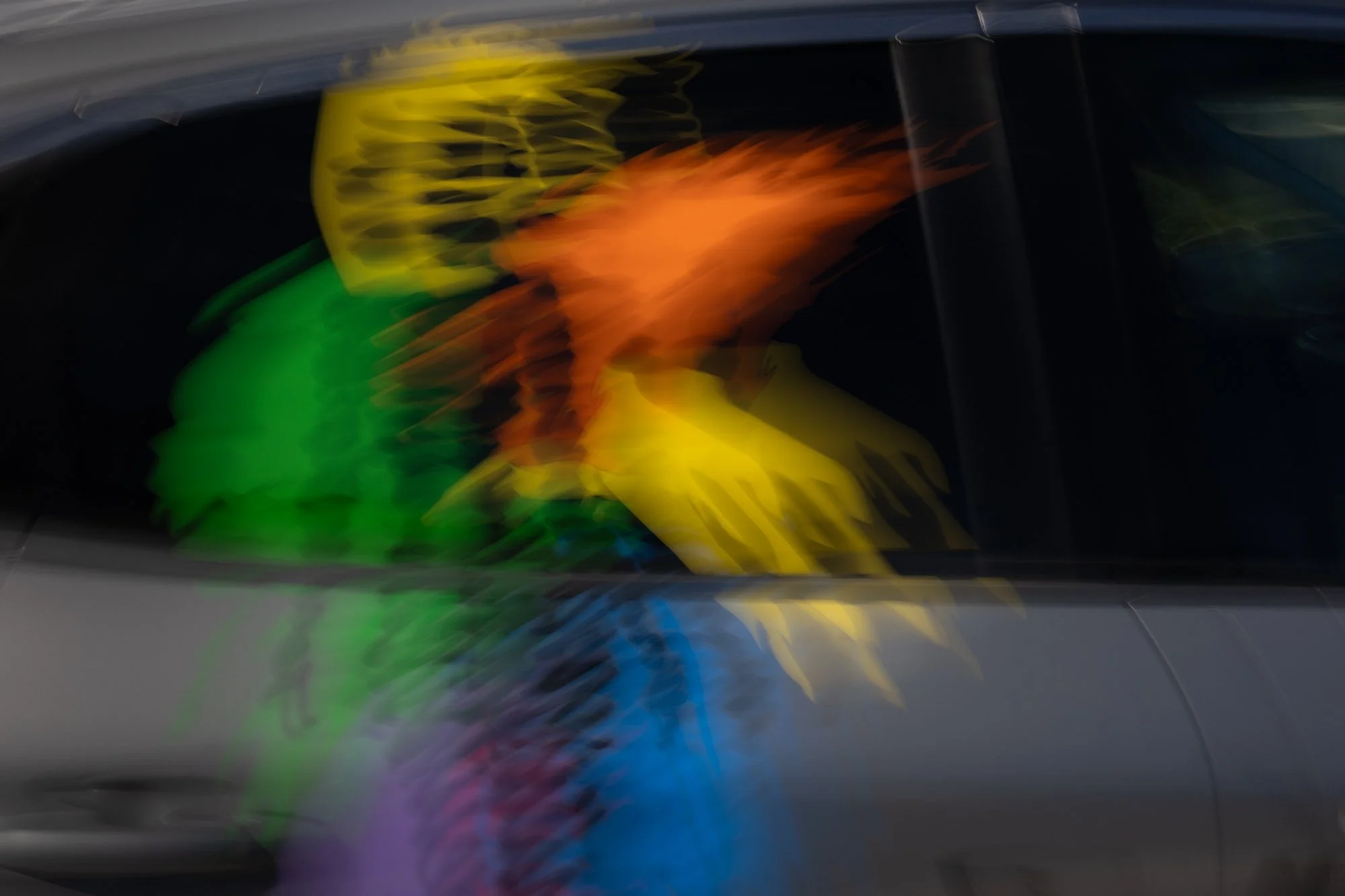
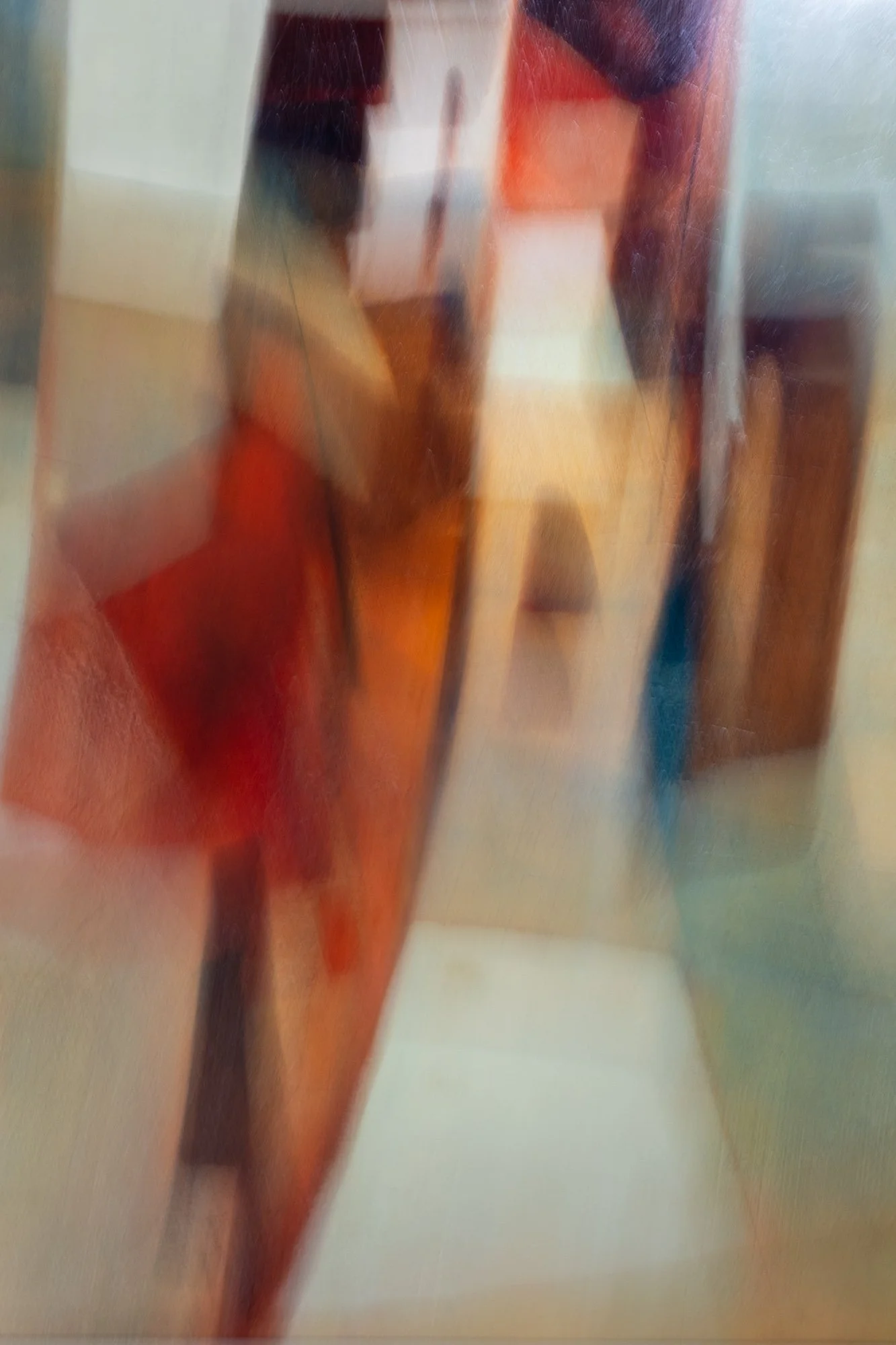

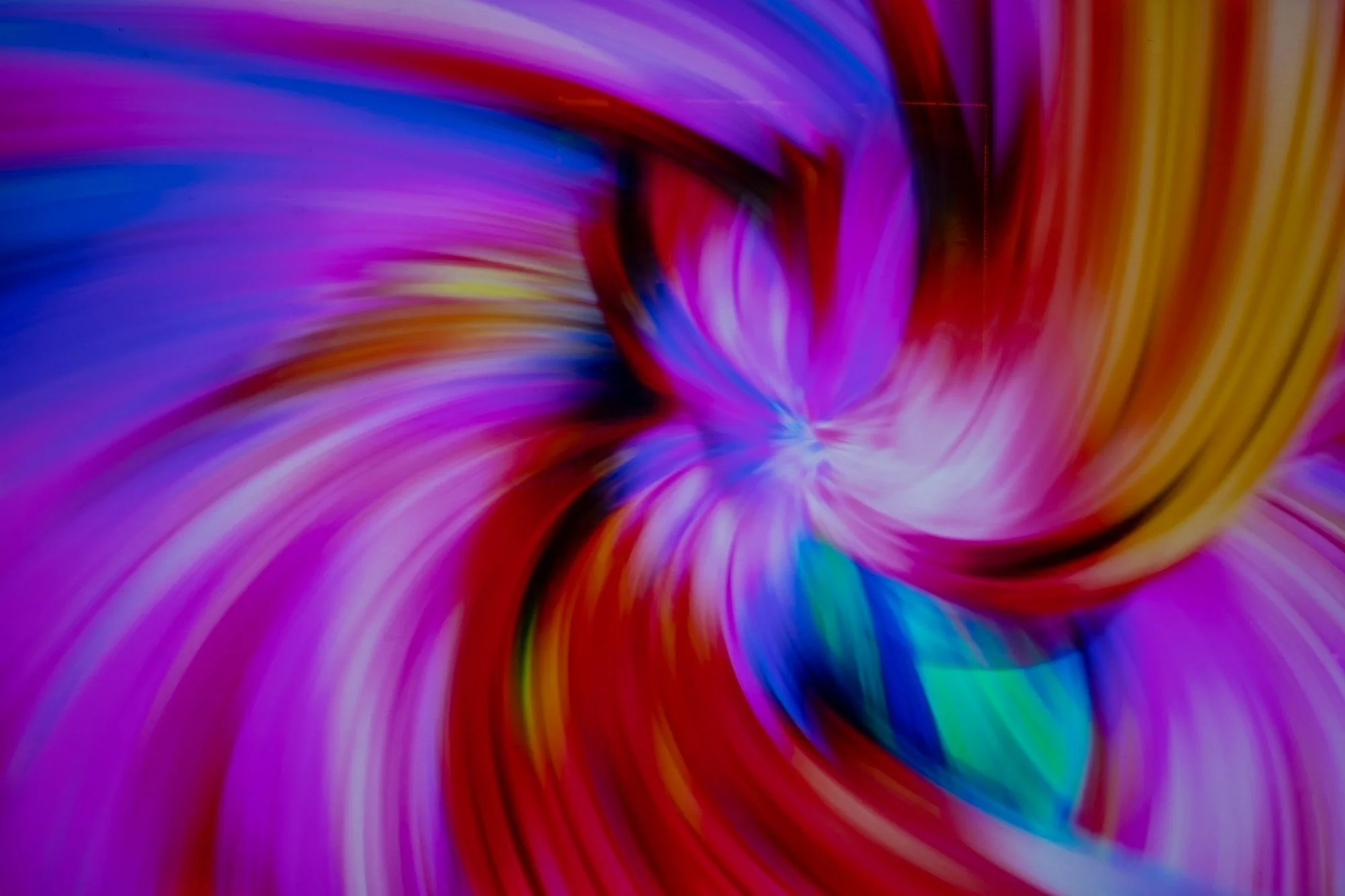

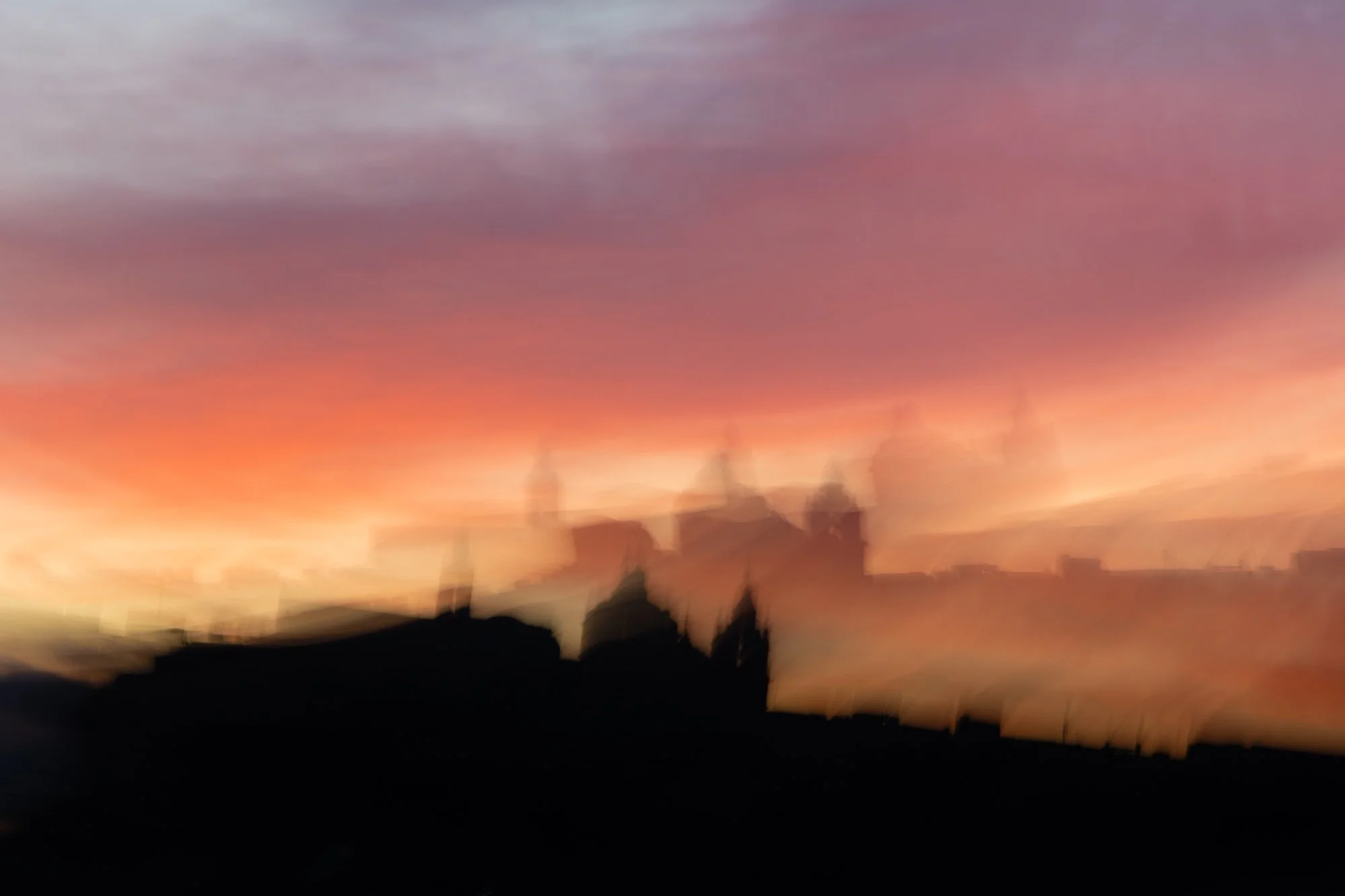
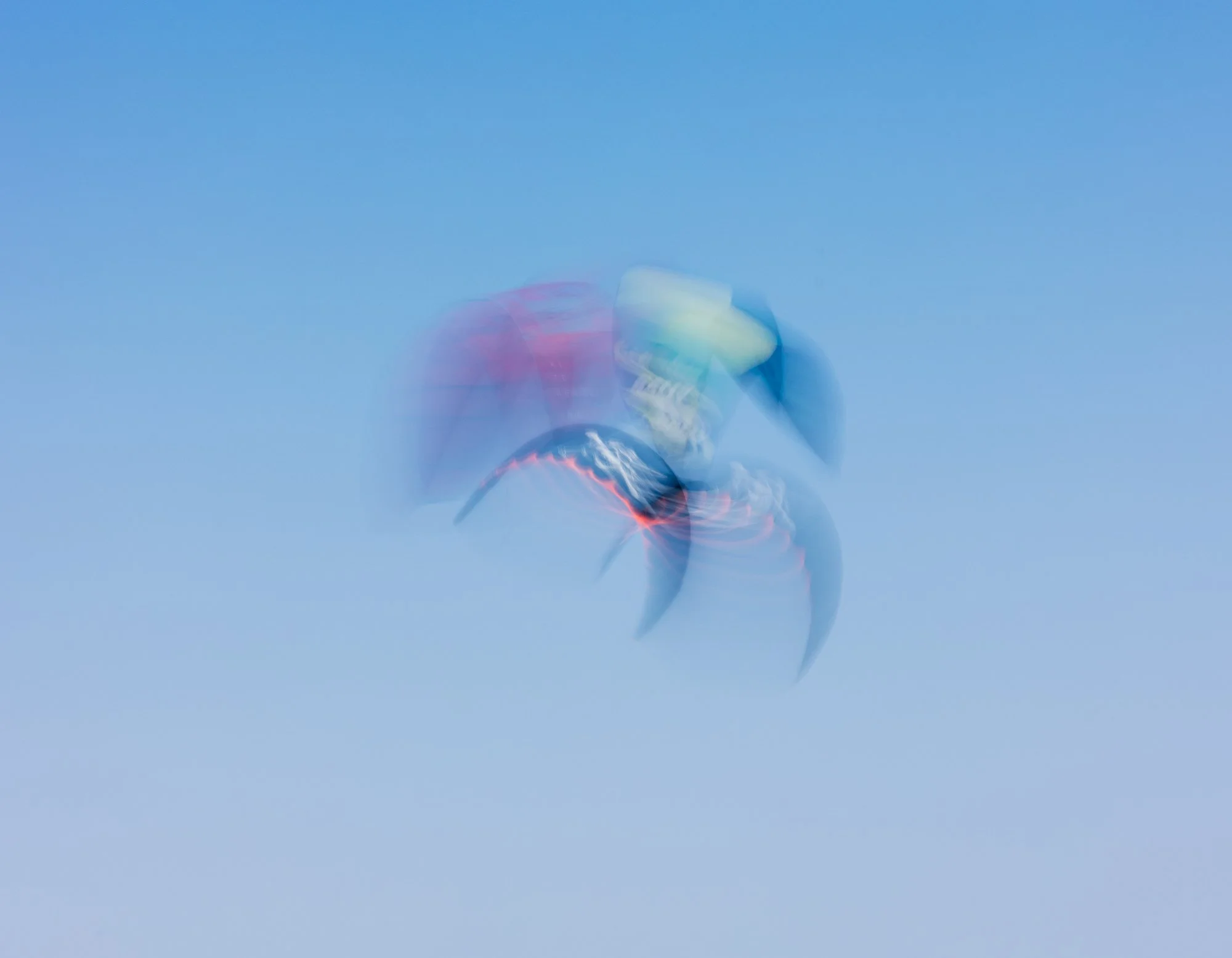
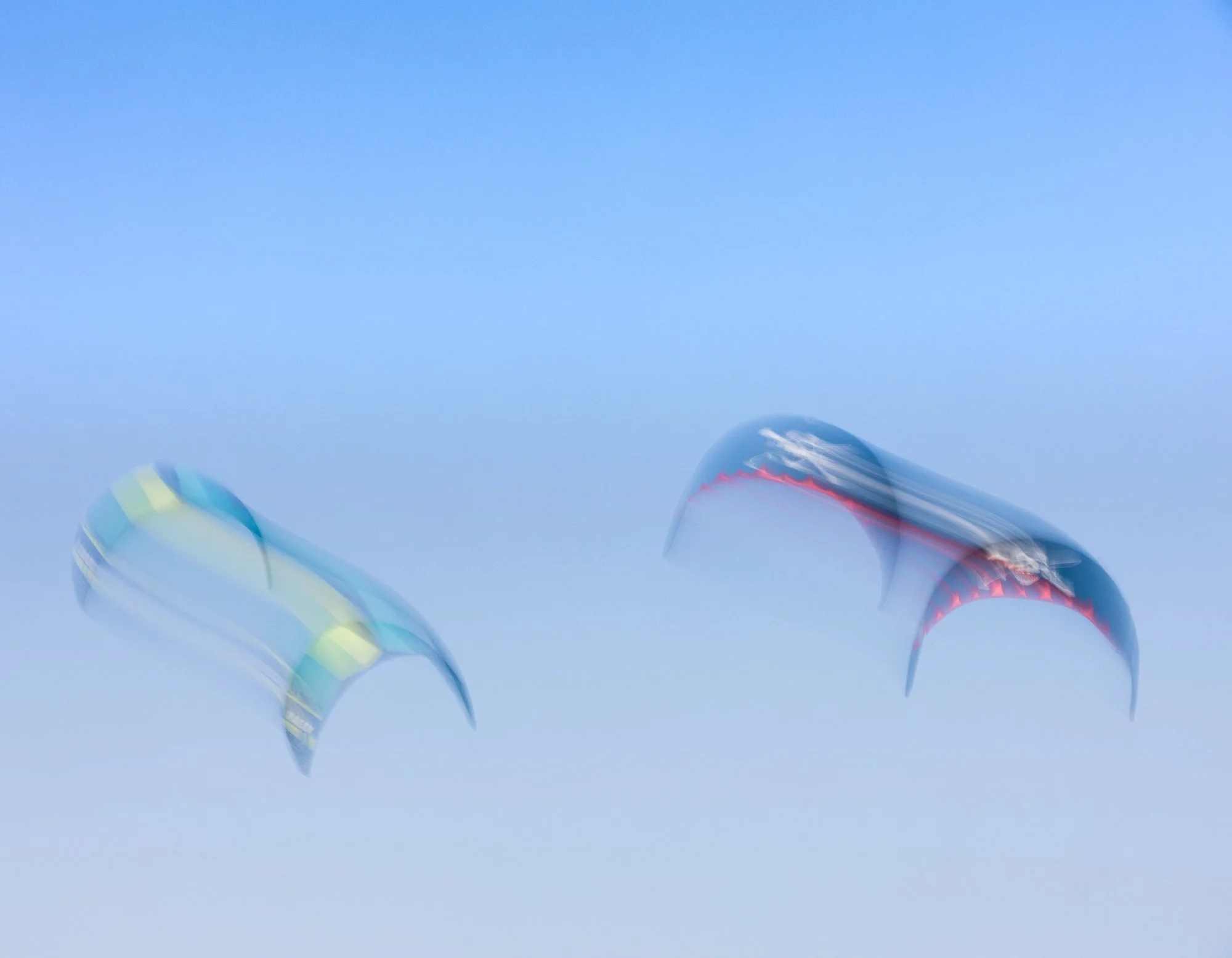

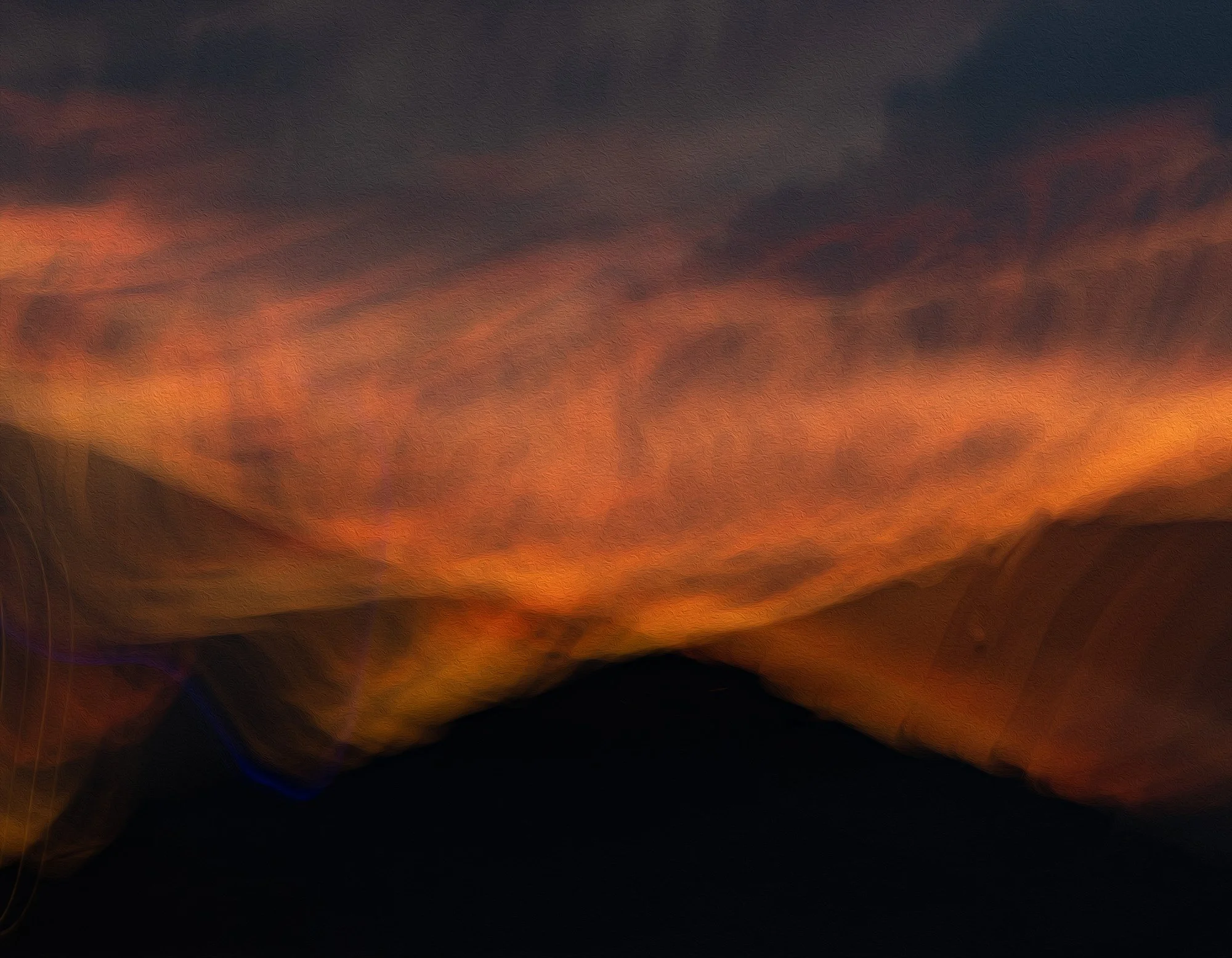
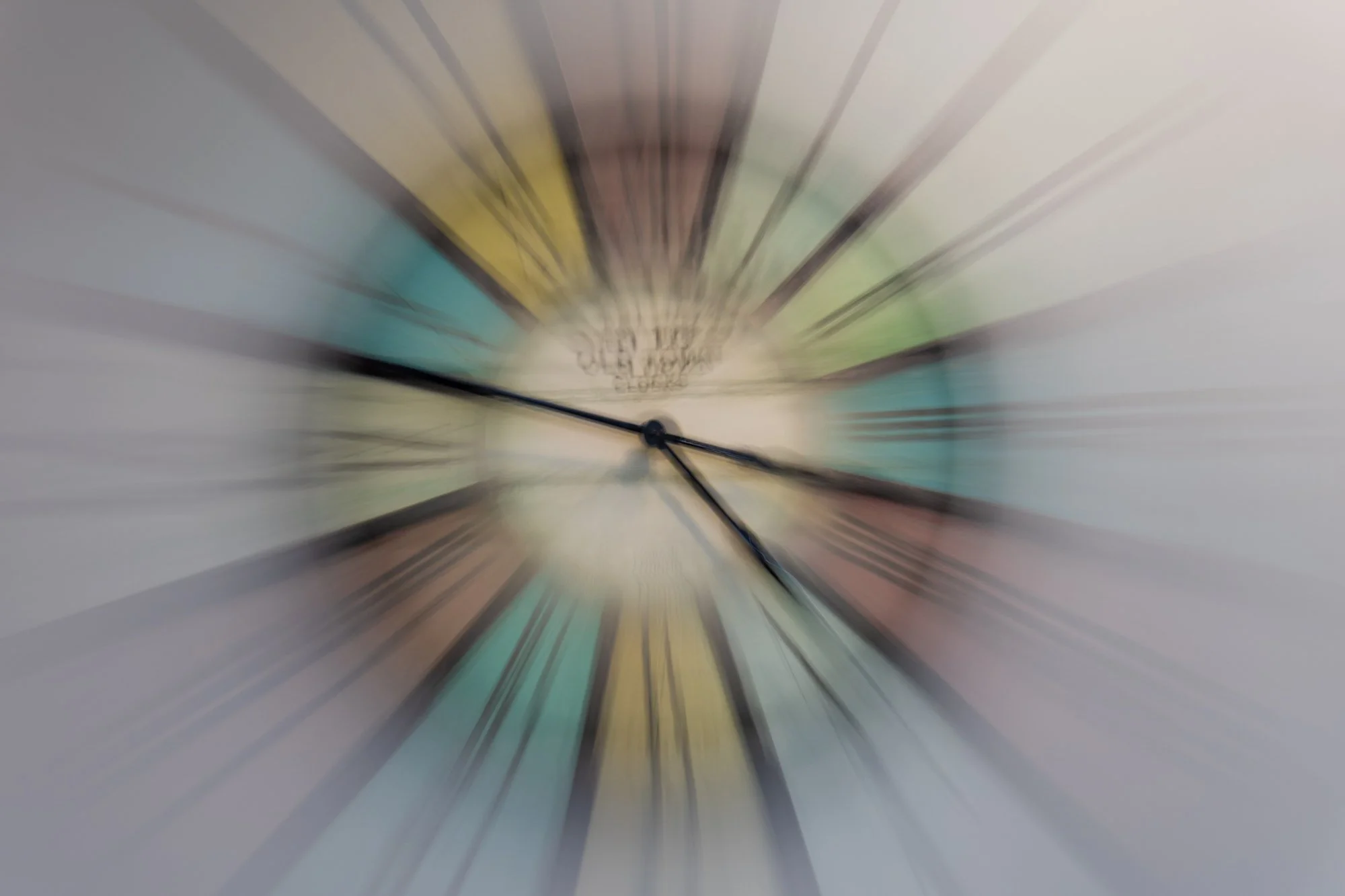
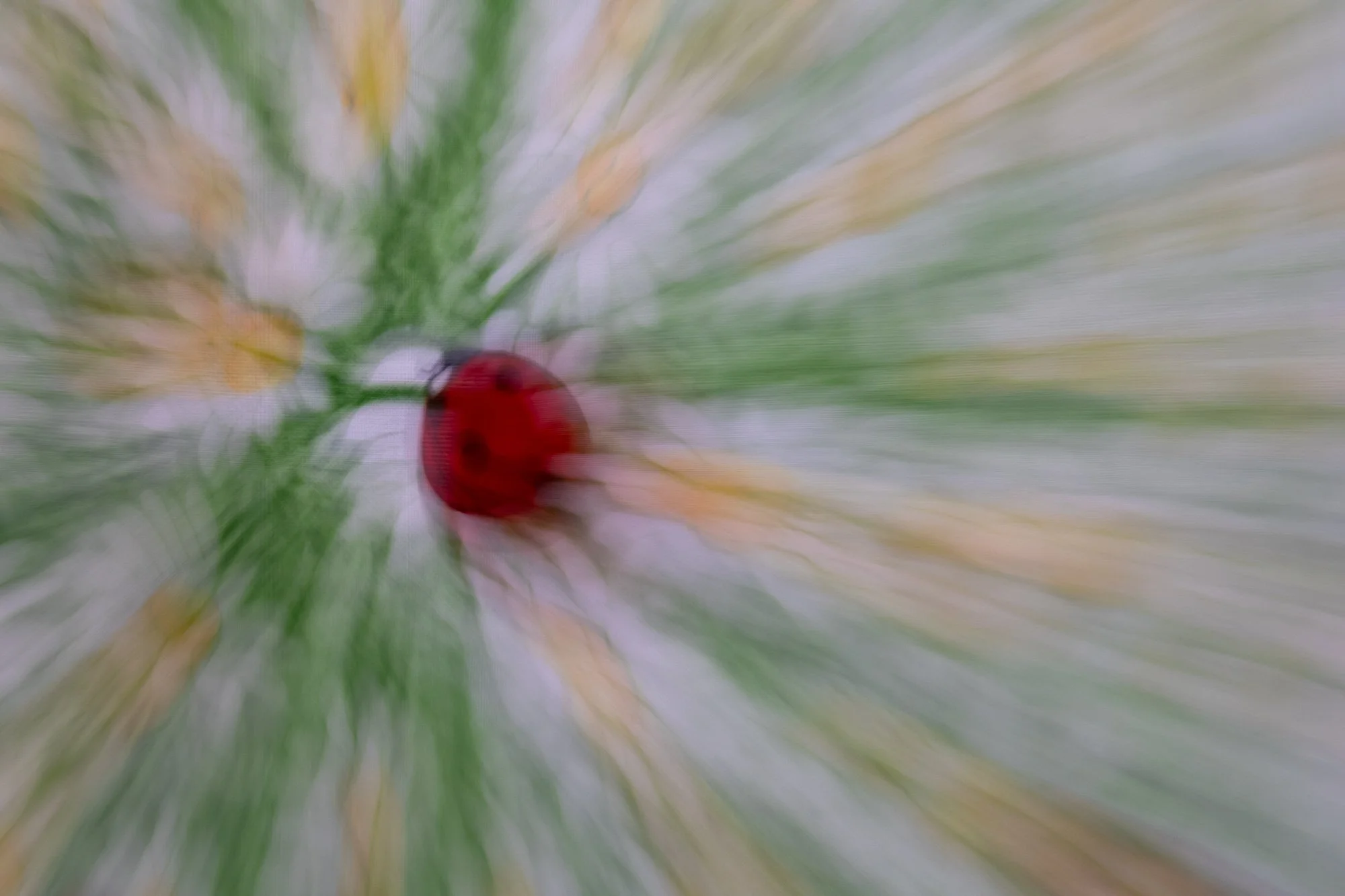

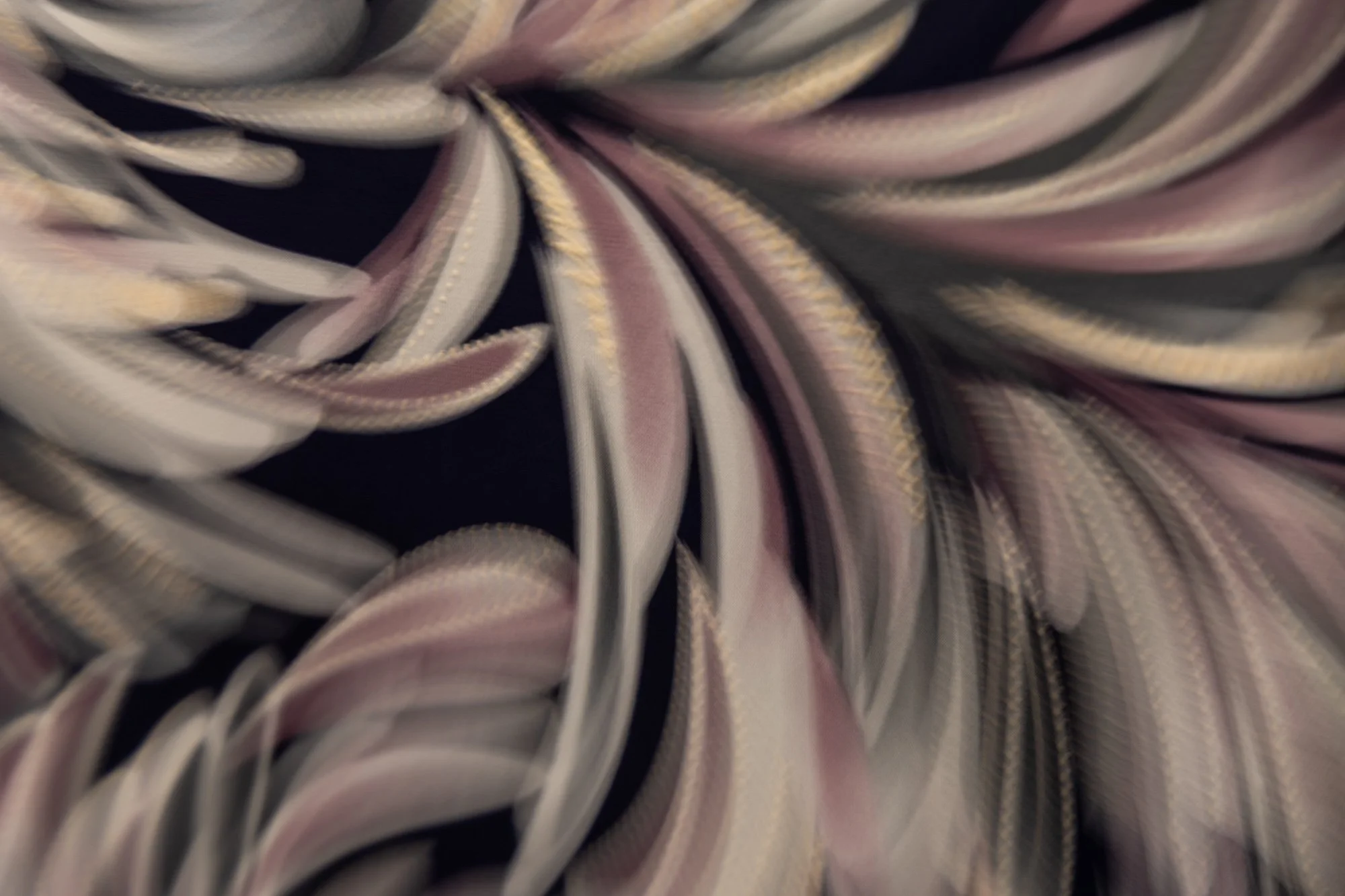
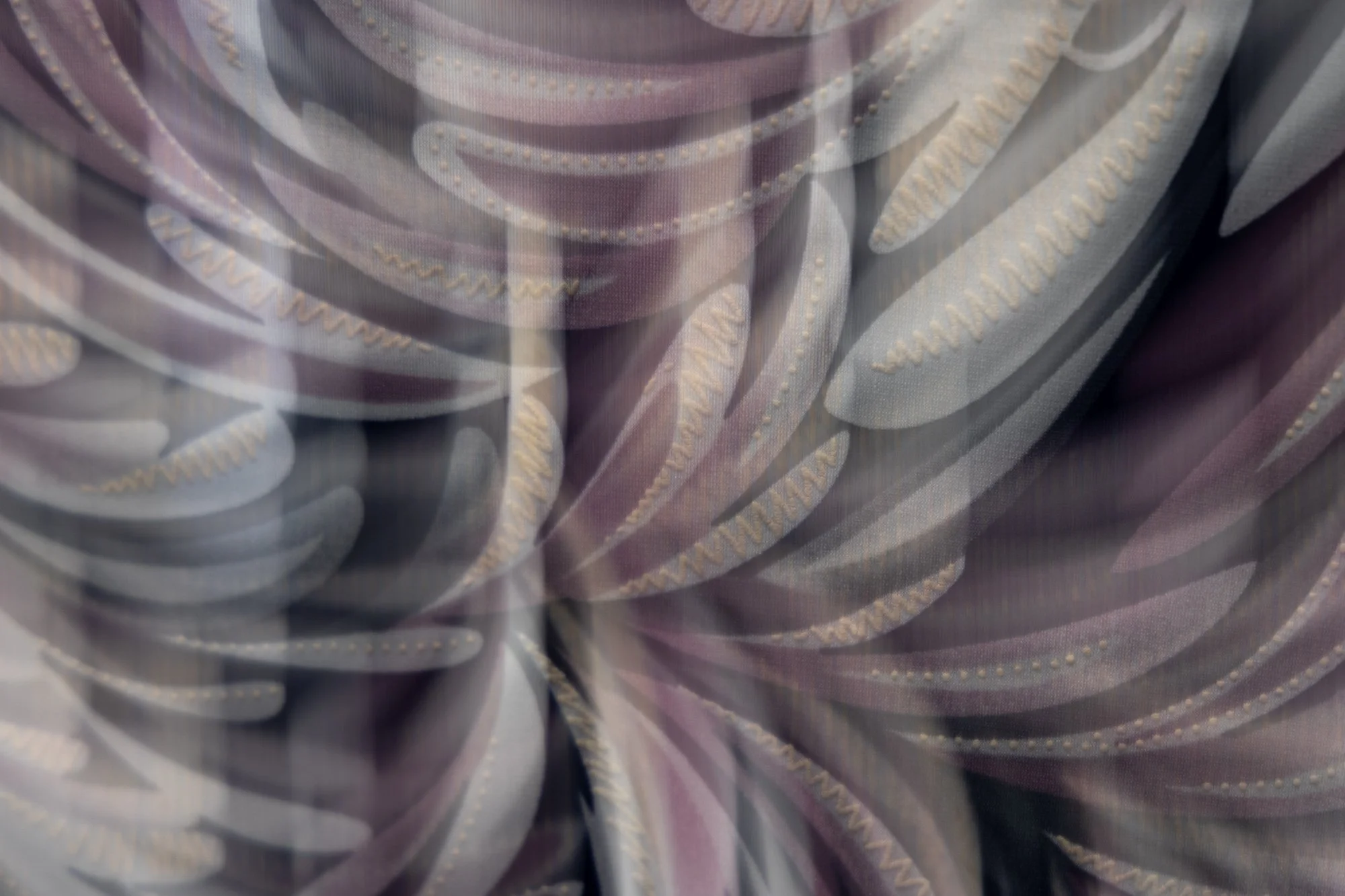
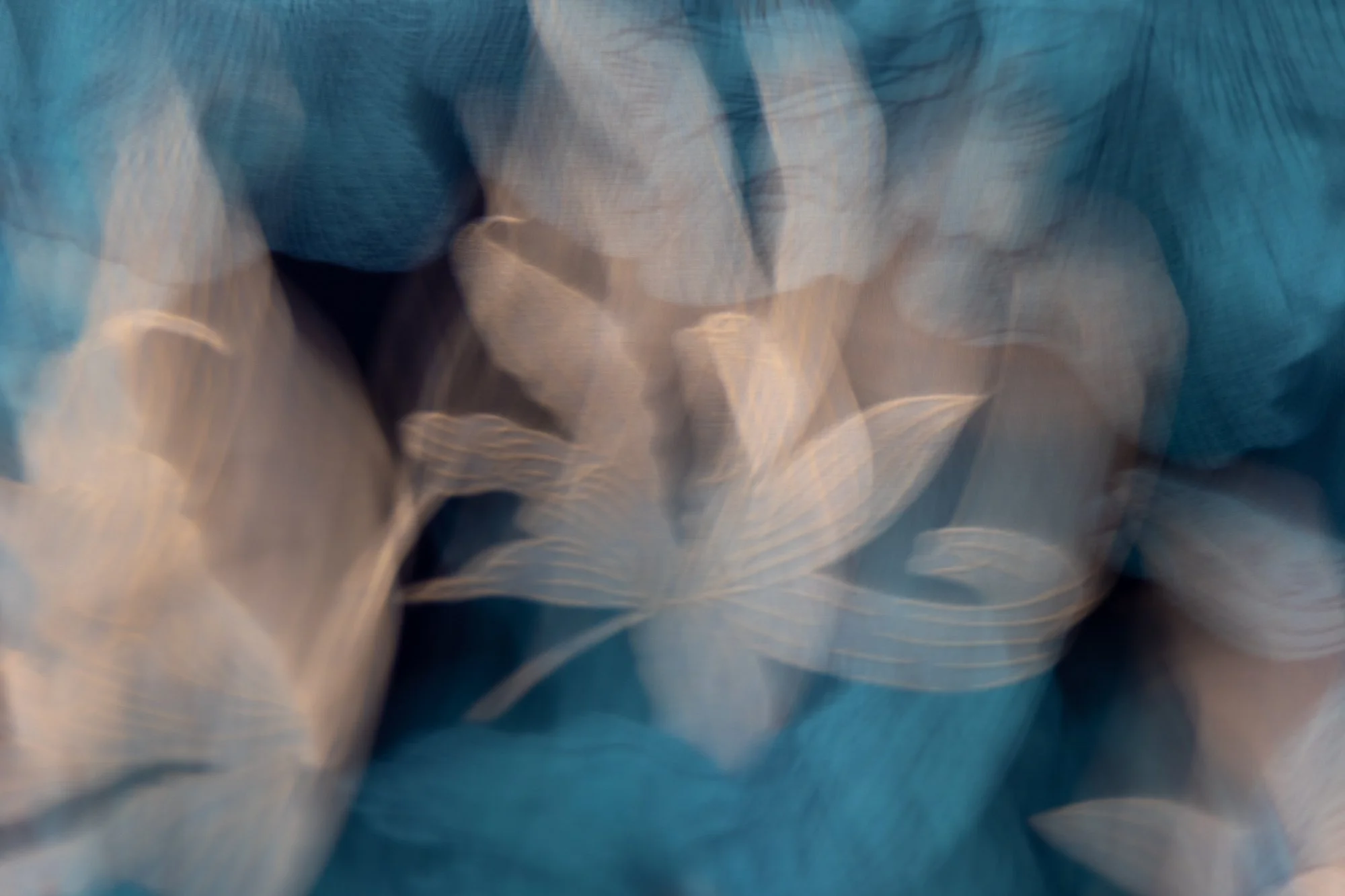
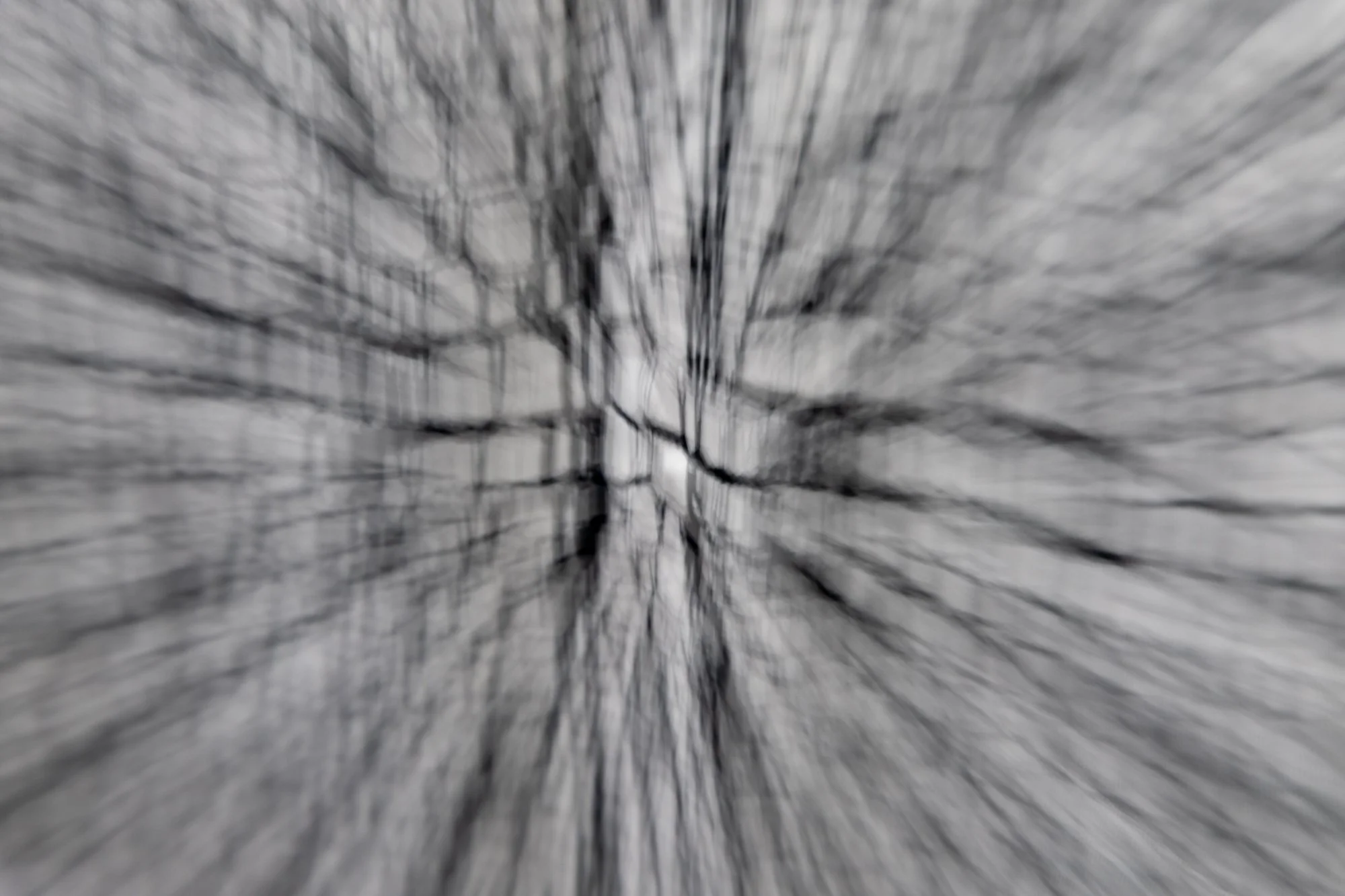
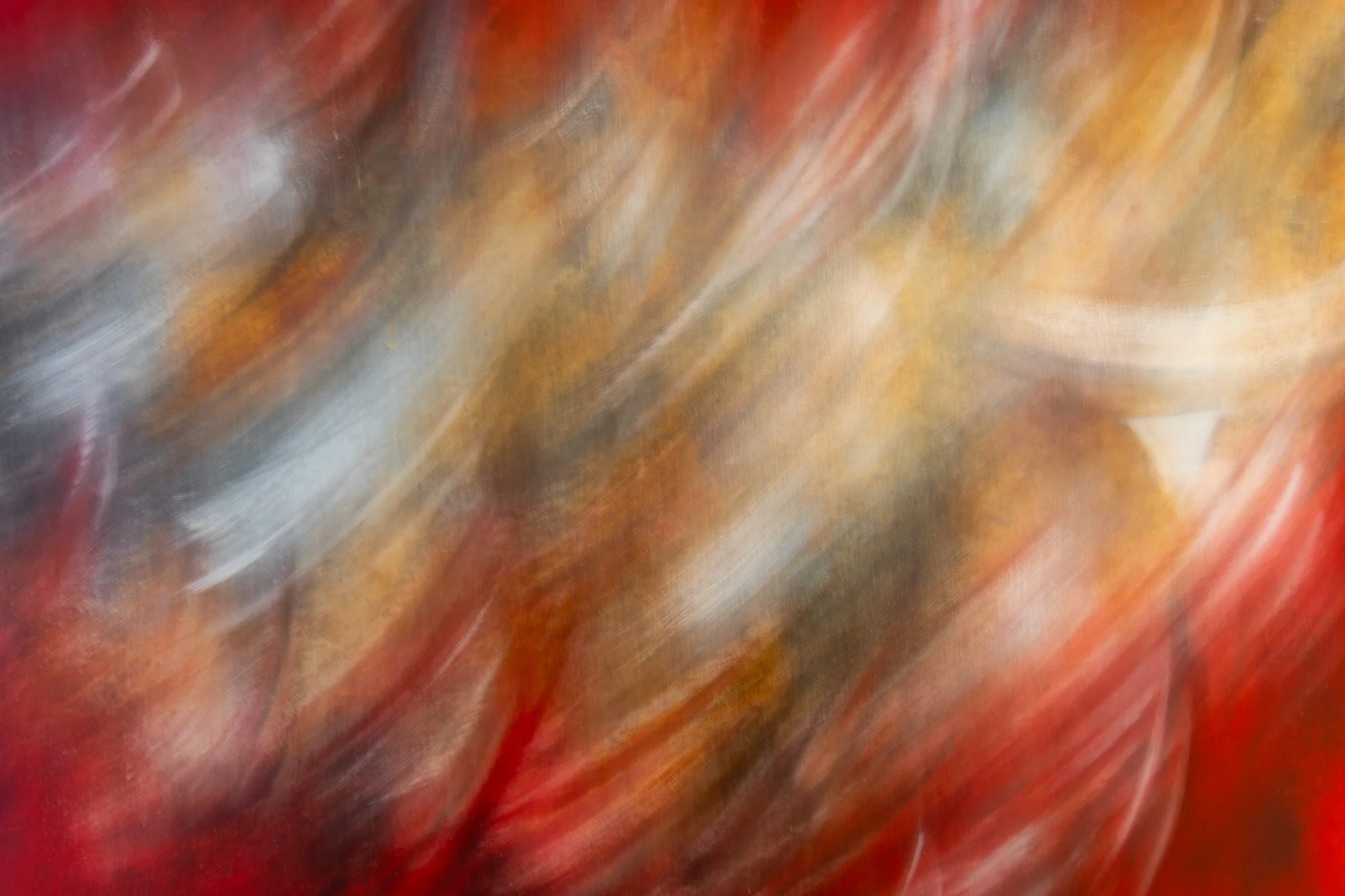
My journey with ICM expanded further when a competition at the photographic society I am a member of introduced the theme. This encouraged me to take the technique beyond street photography and explore it in other genres. Landscapes, architecture, and abstract subjects suddenly became new playgrounds for creative expression. Through this process, I found myself enjoying the technique more and more.
To deepen my understanding, I joined several Facebook communities dedicated to Intentional Camera Movement. Being part of these groups allowed me to see how photographers from around the world approach the same technique in completely different ways. It became a source of inspiration and learning, helping me to improve and push my own creativity further.
The hard work and experimentation started paying off. I performed well in competitions, and as more opportunities came up, I continued to explore and refine my approach. Each competition pushed me to think differently and develop a stronger understanding of movement as a creative tool.
More recently, I had the opportunity to mentor a friend who wanted to explore ICM for a competition. Guiding someone else through the process was a valuable experience because teaching forces you to understand your own process more clearly. At the same time, a photography club abroad, of which I am also a member of, launched a monthly ICM challenge. This created the perfect environment where I was simultaneously practicing, learning, and mentoring — all at the same time.
Looking back, ICM has become much more than just a photographic technique for me. It has changed the way I approach photography altogether. It has shown me that an image does not always need sharpness to have impact, and that movement can be just as powerful as stillness. In many ways, ICM bridges the gap between photography and painting, turning ordinary scenes into emotional and artistic expressions.
Intentional Camera Movement continues to challenge me creatively, reminding me that photography is not only about capturing what we see, but also about expressing how we feel.