
Minimalism
Minimalism and Negative Space go hand in hand. At its core, Minimalist Photography embraces the philosophy that less is more. It is not simply a visual style, but a deliberate way of seeing and interpreting the world.
Minimalism is built upon three essential pillars - Negative space, Subject Isolation, and the Removal of Distractions. When we attempt to Fill the Frame with everything we see, we often weaken the photograph. A Minimalist approach, takes on a different approach — not what to include, but what to exclude.
Defining Minimalist Photography
Minimalist Photography is rooted in Simplicity. It often features:
One clear subject
Space that supports it
Nothing competing for attention
Clean, intentional composition
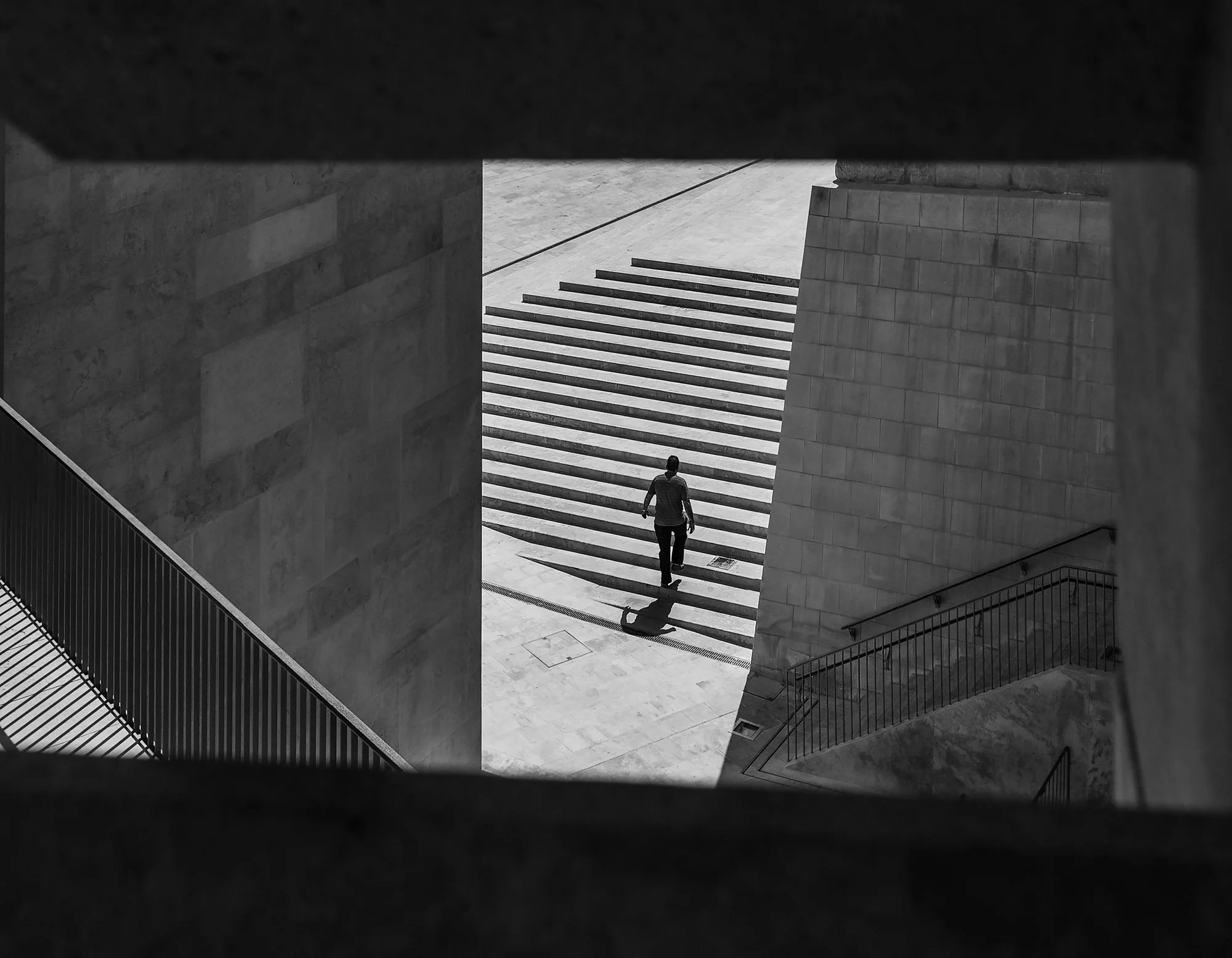
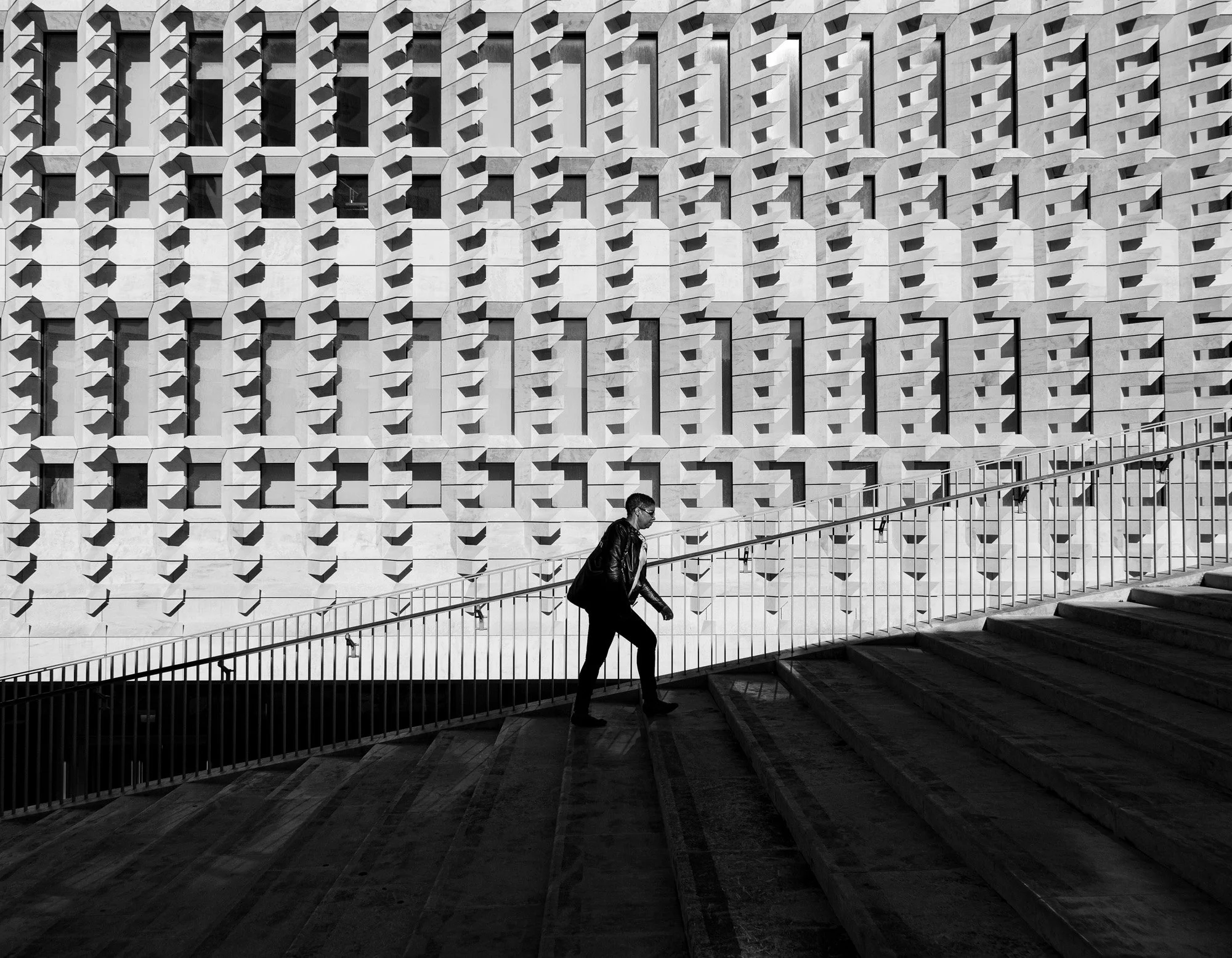
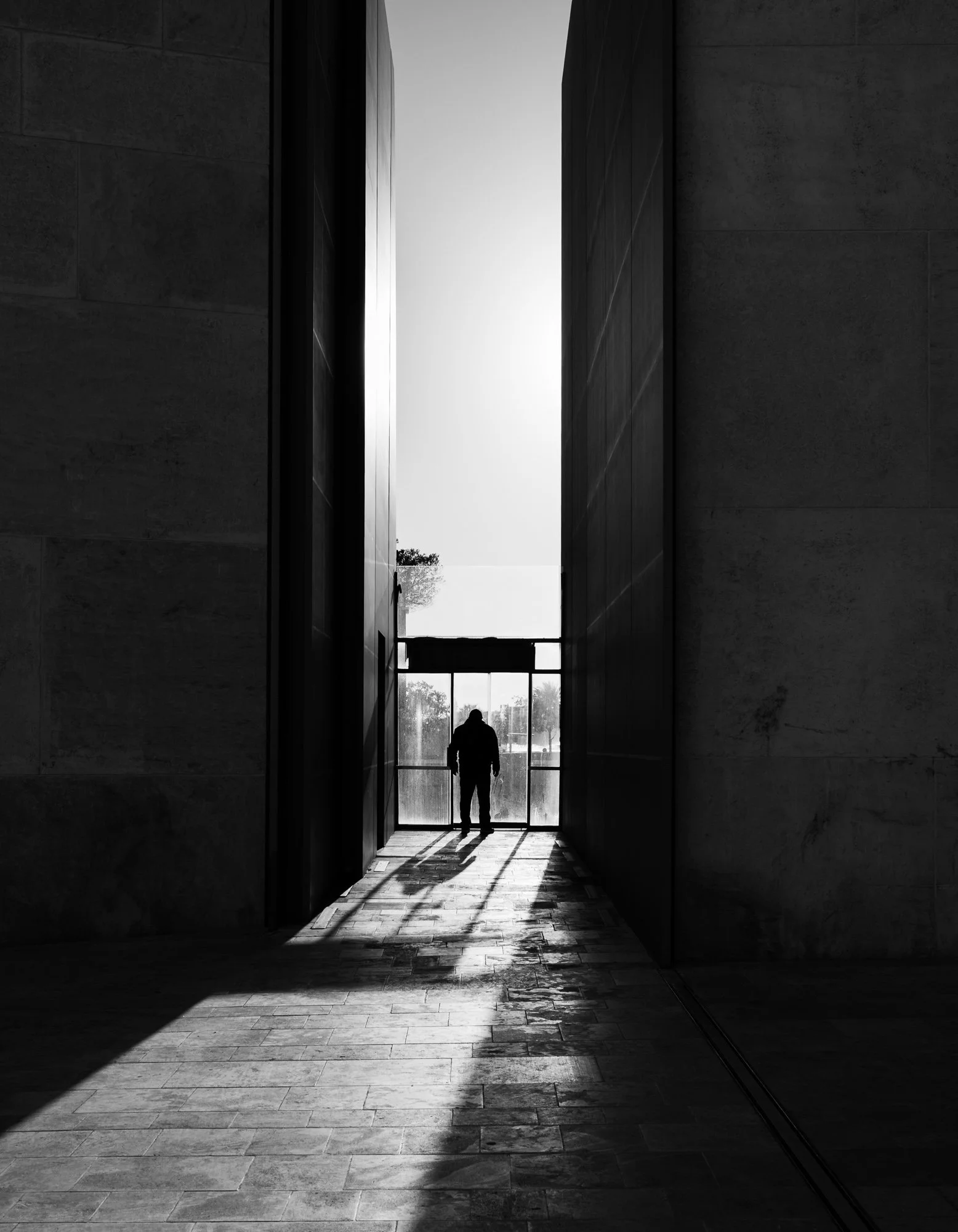
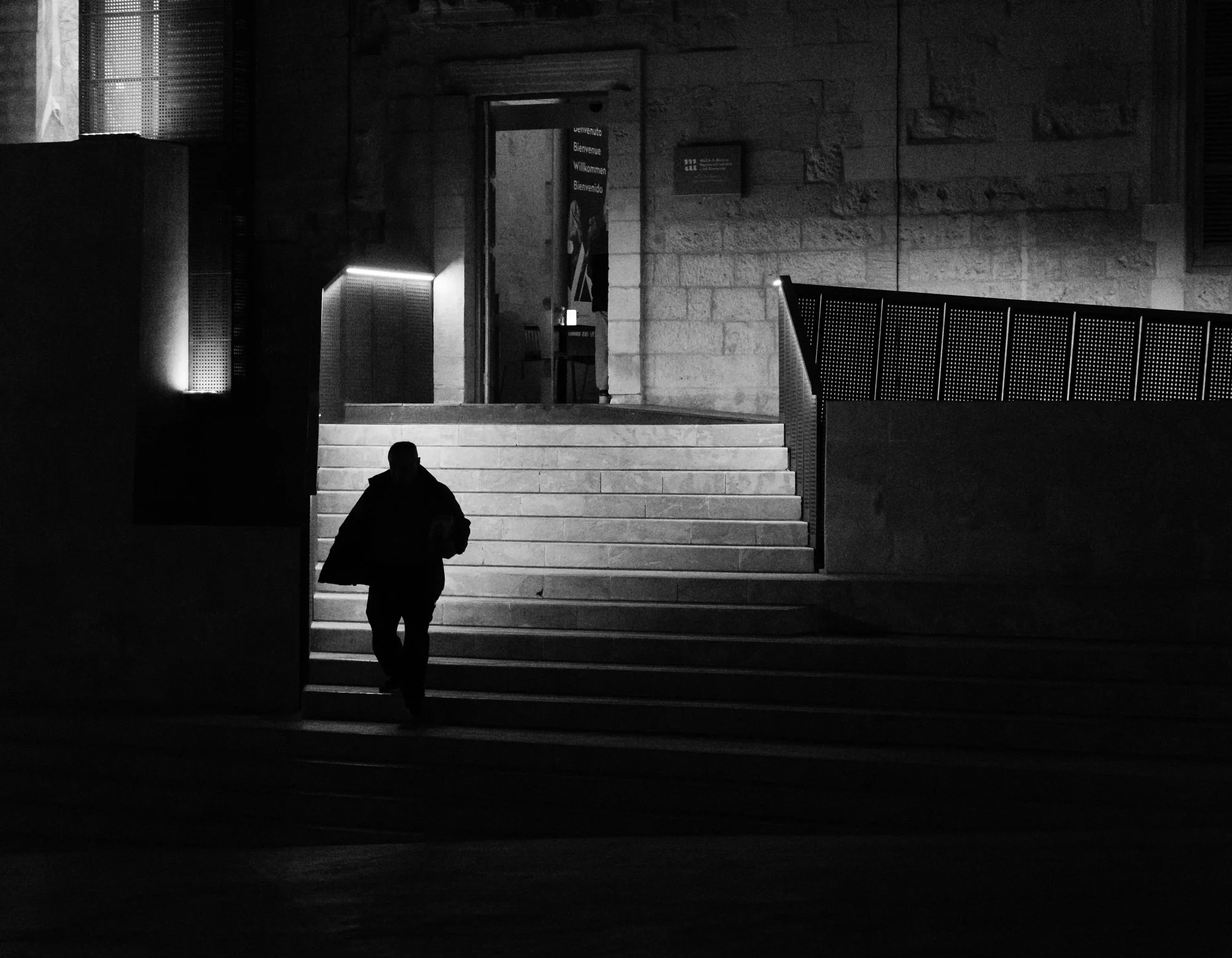
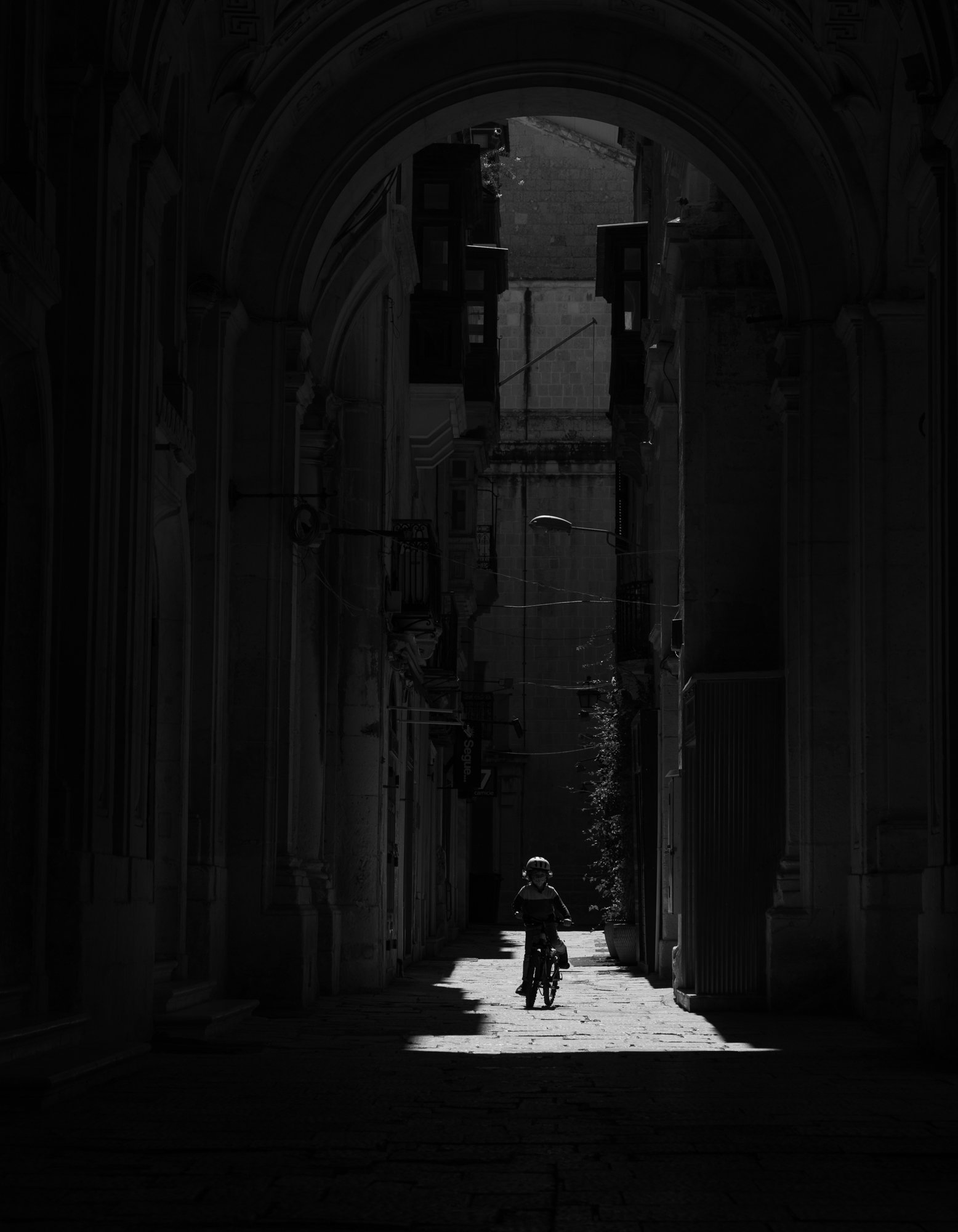
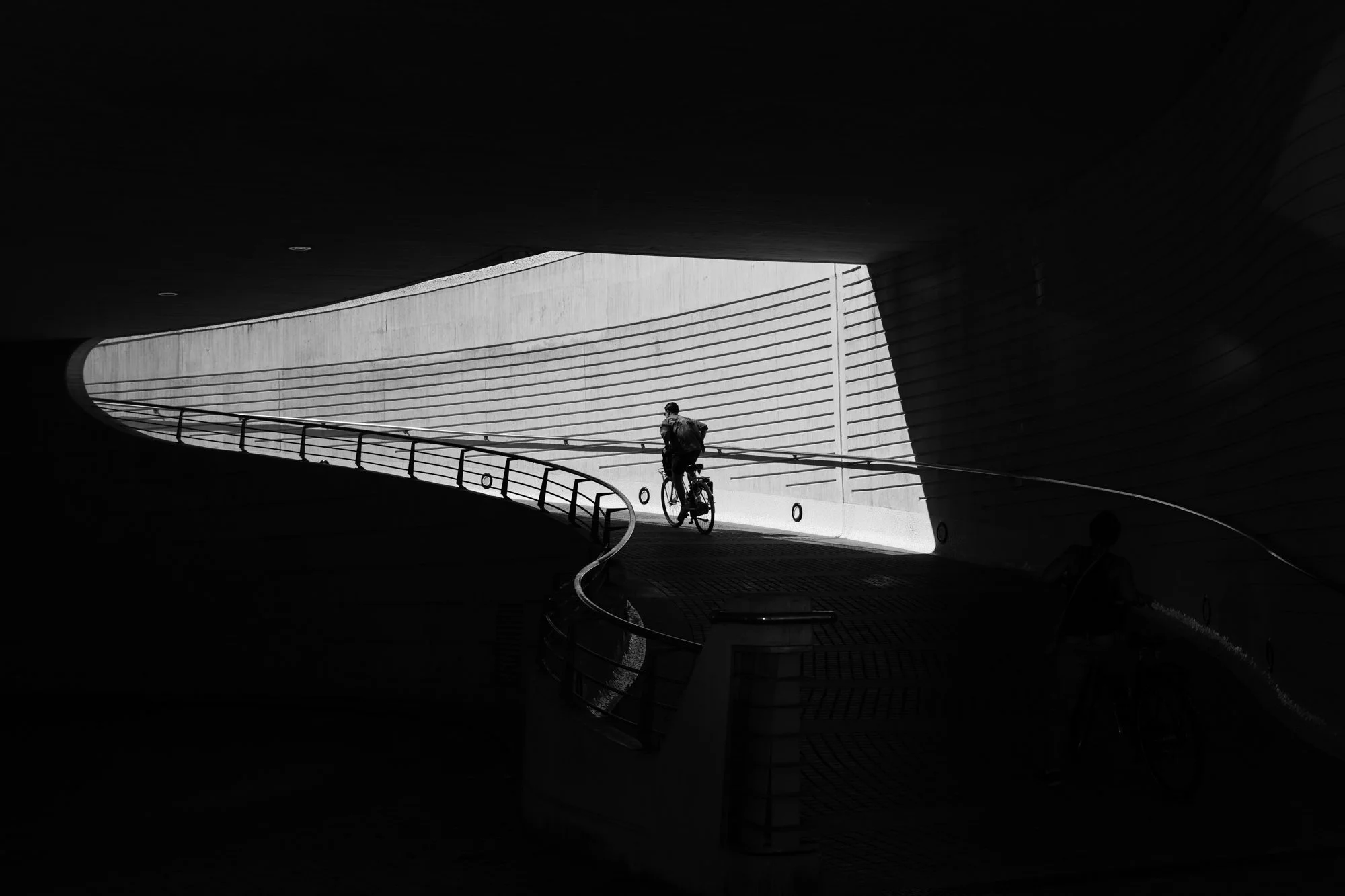

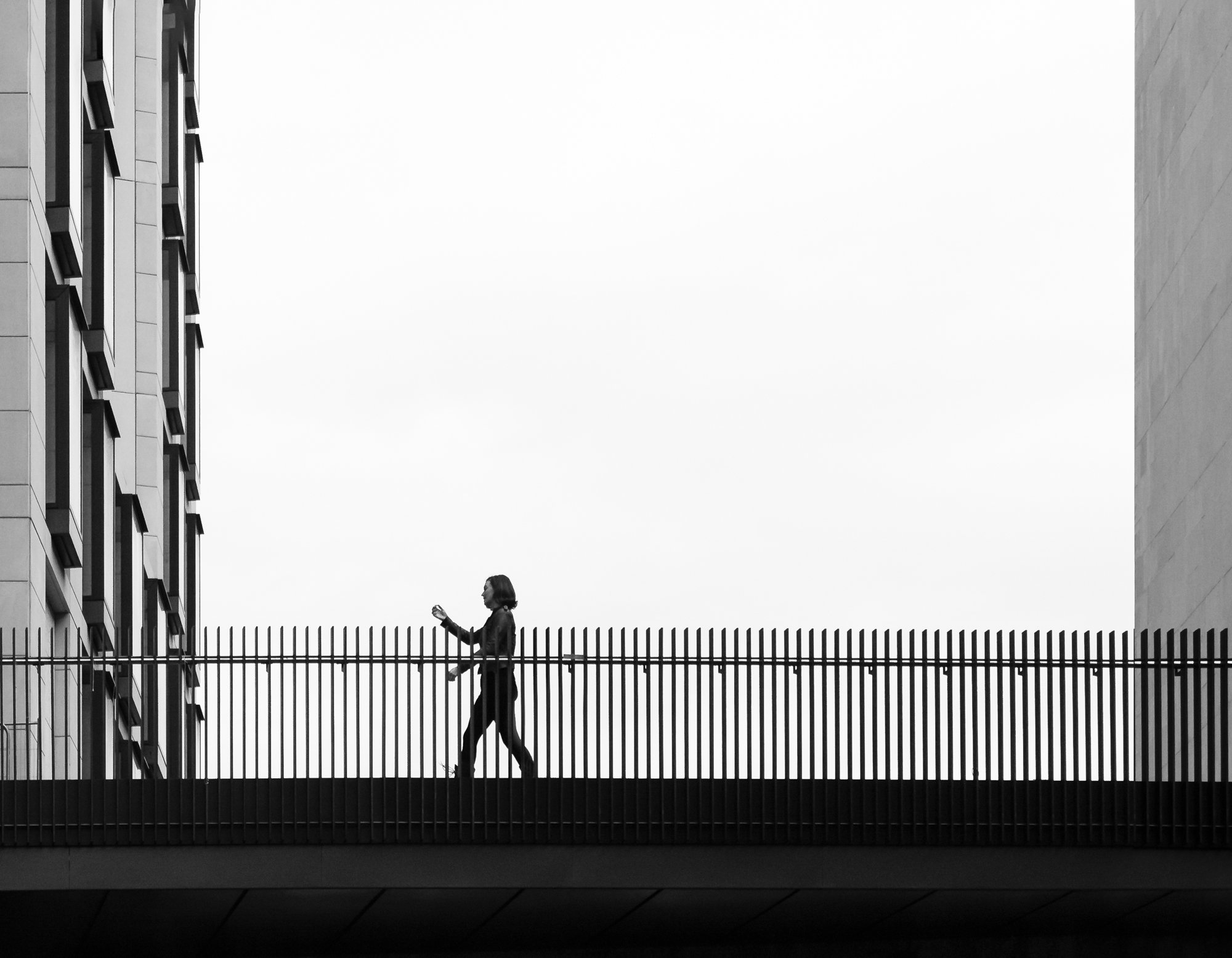
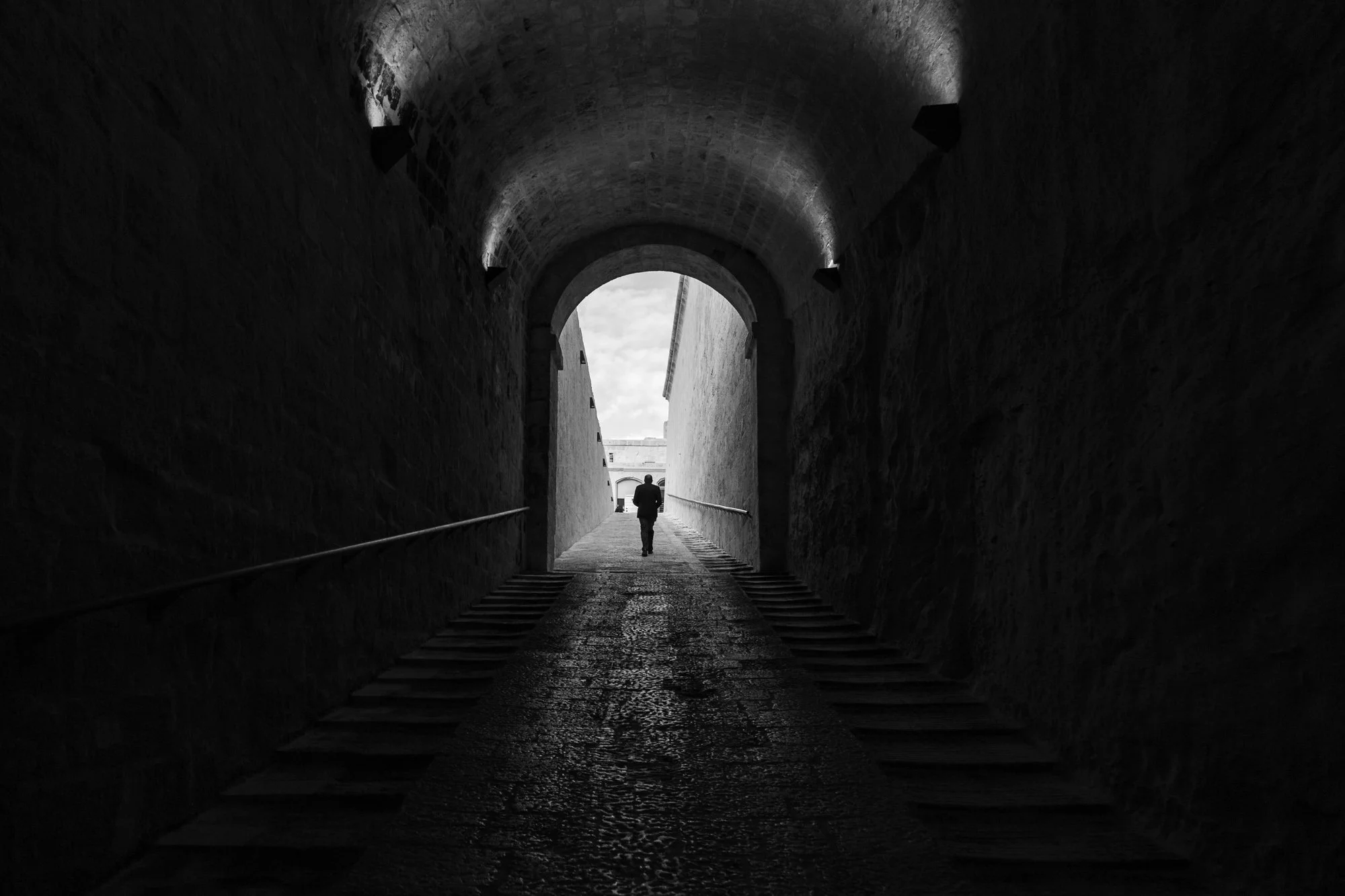
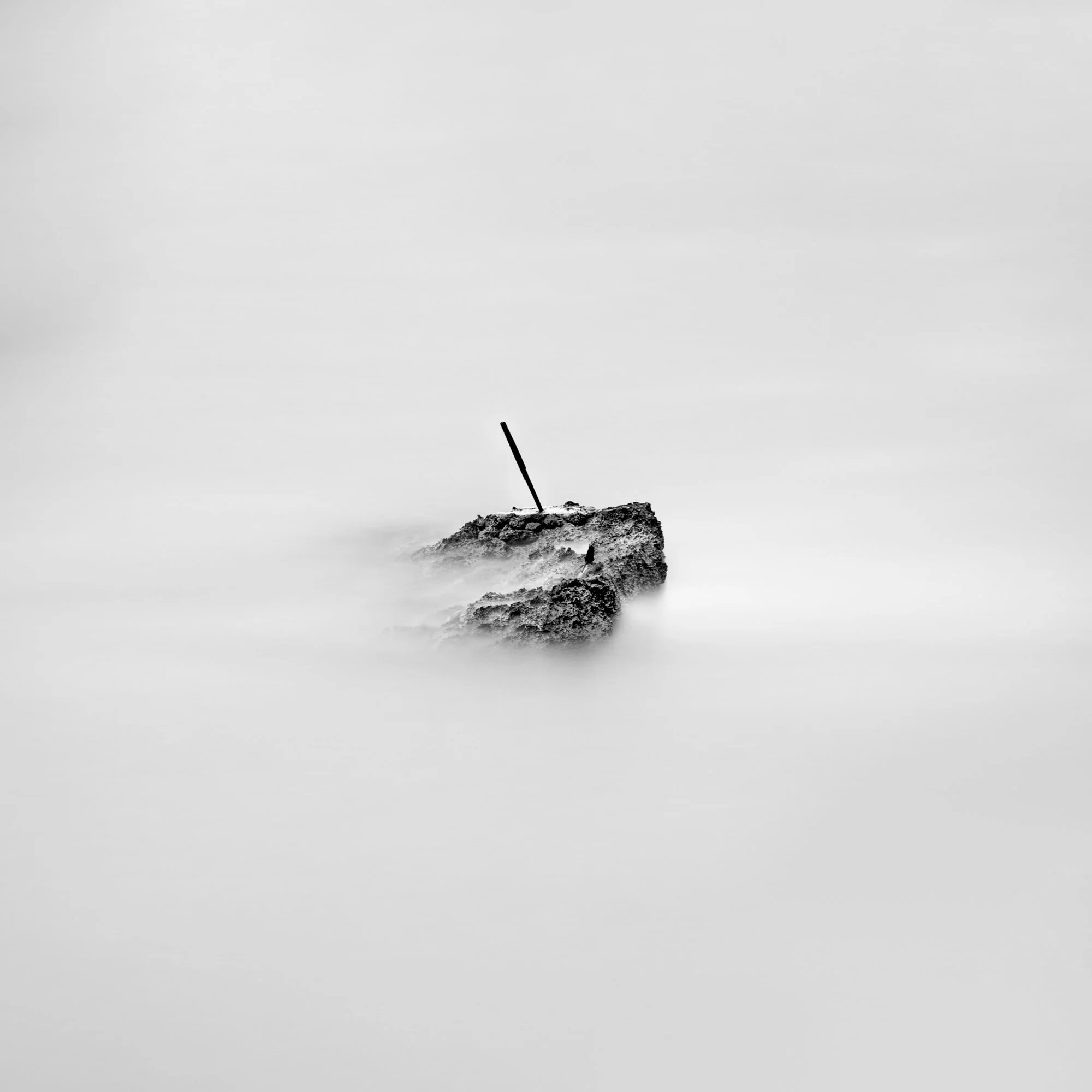
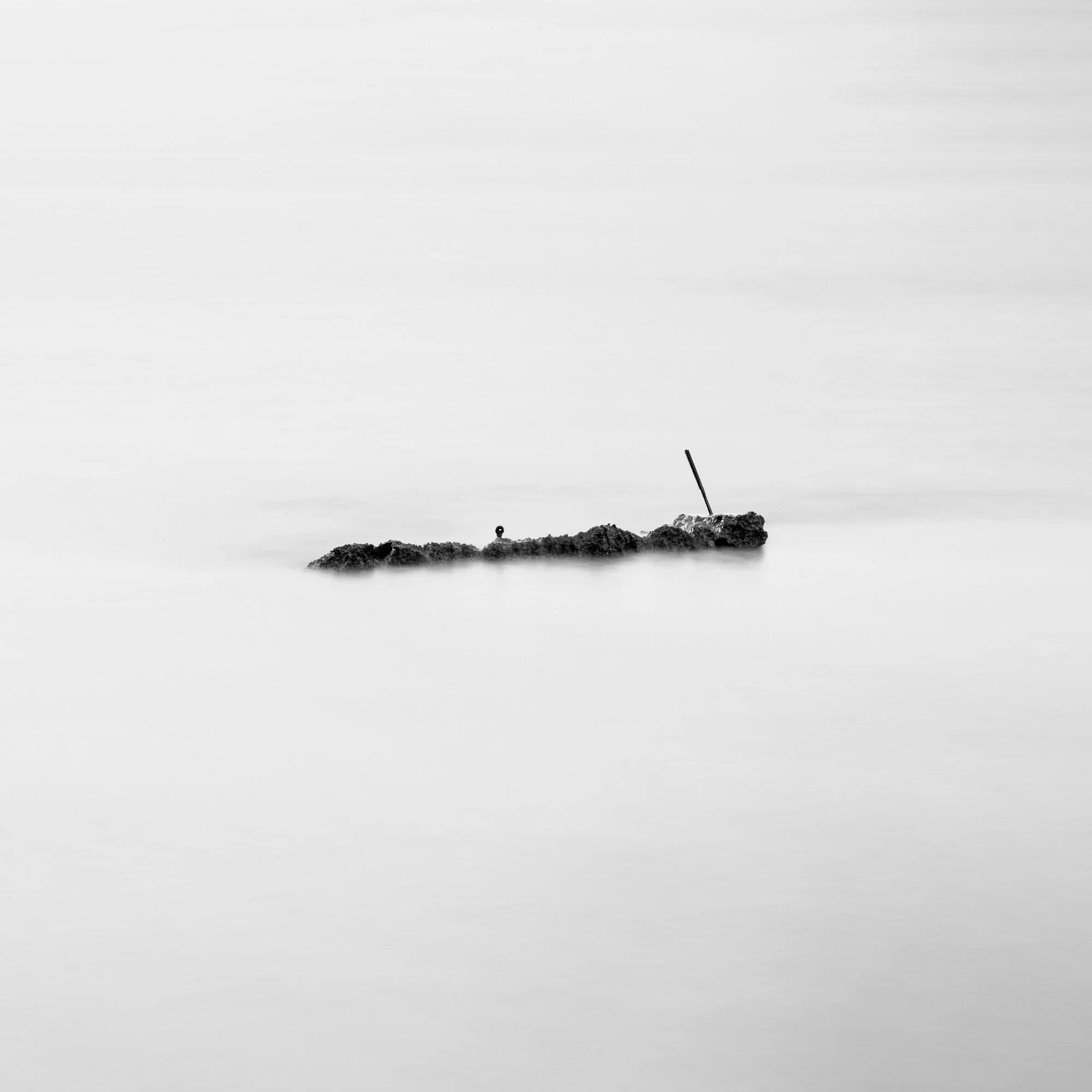
Negative Space plays a crucial role. Large areas of sky, water, walls, or open landscape surround the subject, creating calm, balance, and clarity. The subject may be small within the frame, yet it becomes stronger because of the emptiness that is around it. The surrounding space is not “nothing” — it is an active element that gives the subject room to breathe.
Subject Isolation is key. A lone tree, a solitary figure, or a single geometric form can become powerful when stripped of unnecessary elements. Every detail must serve a purpose. If it does not contribute to the story or mood, it is to be removed.
Intentionality and Composition
Minimalism is deeply intentional. It is not about photographing “nothing” but rather, it’s about composing something simple with precision and clarity. Each element is carefully considered.
Compositional techniques such as:
The Rule of Thirds
Centered Framing
Symmetry
Clean lines and Geometric forms
Even Intentional Imbalance
The above is often used to create harmony or tension within the frame.
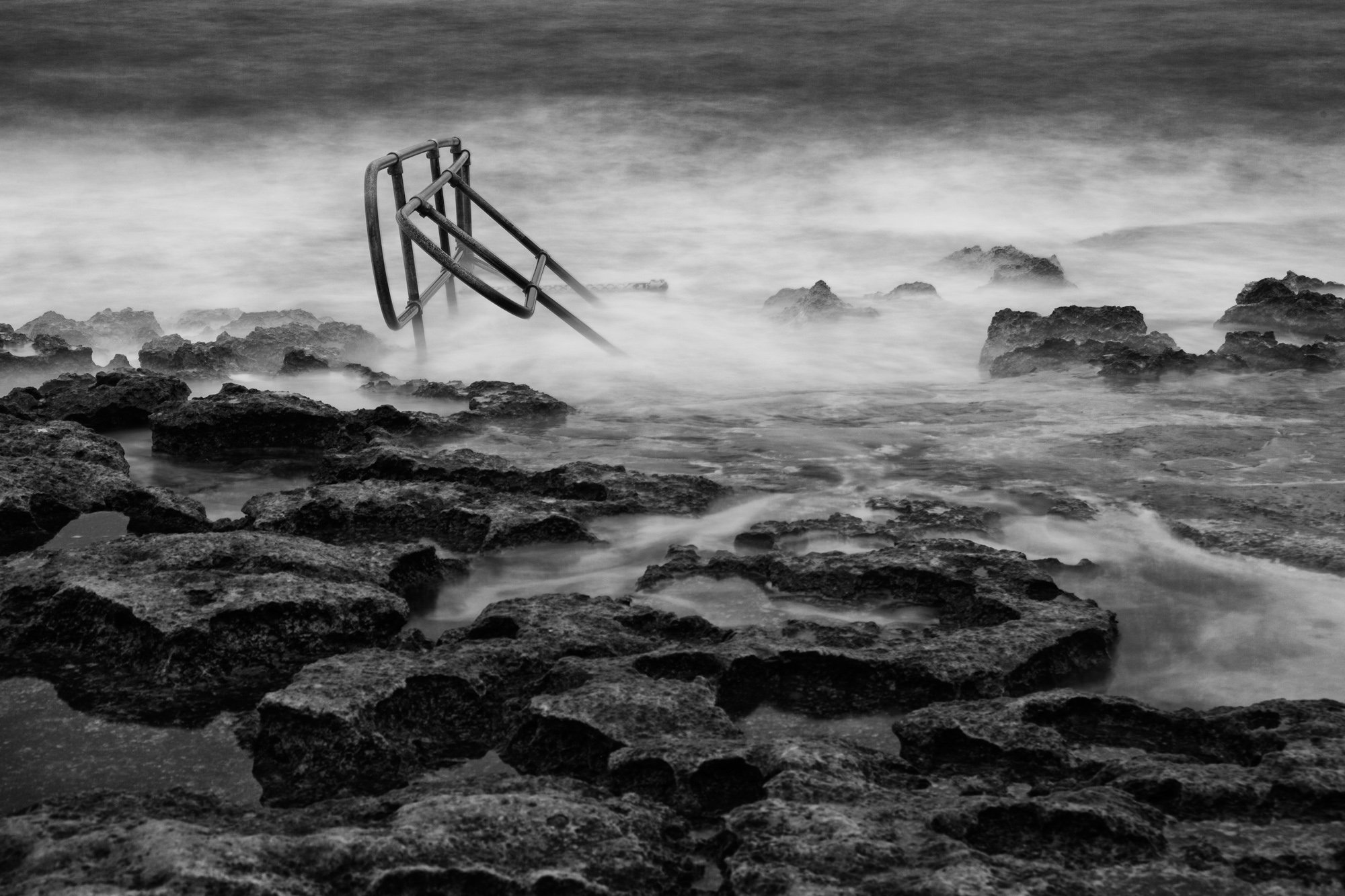
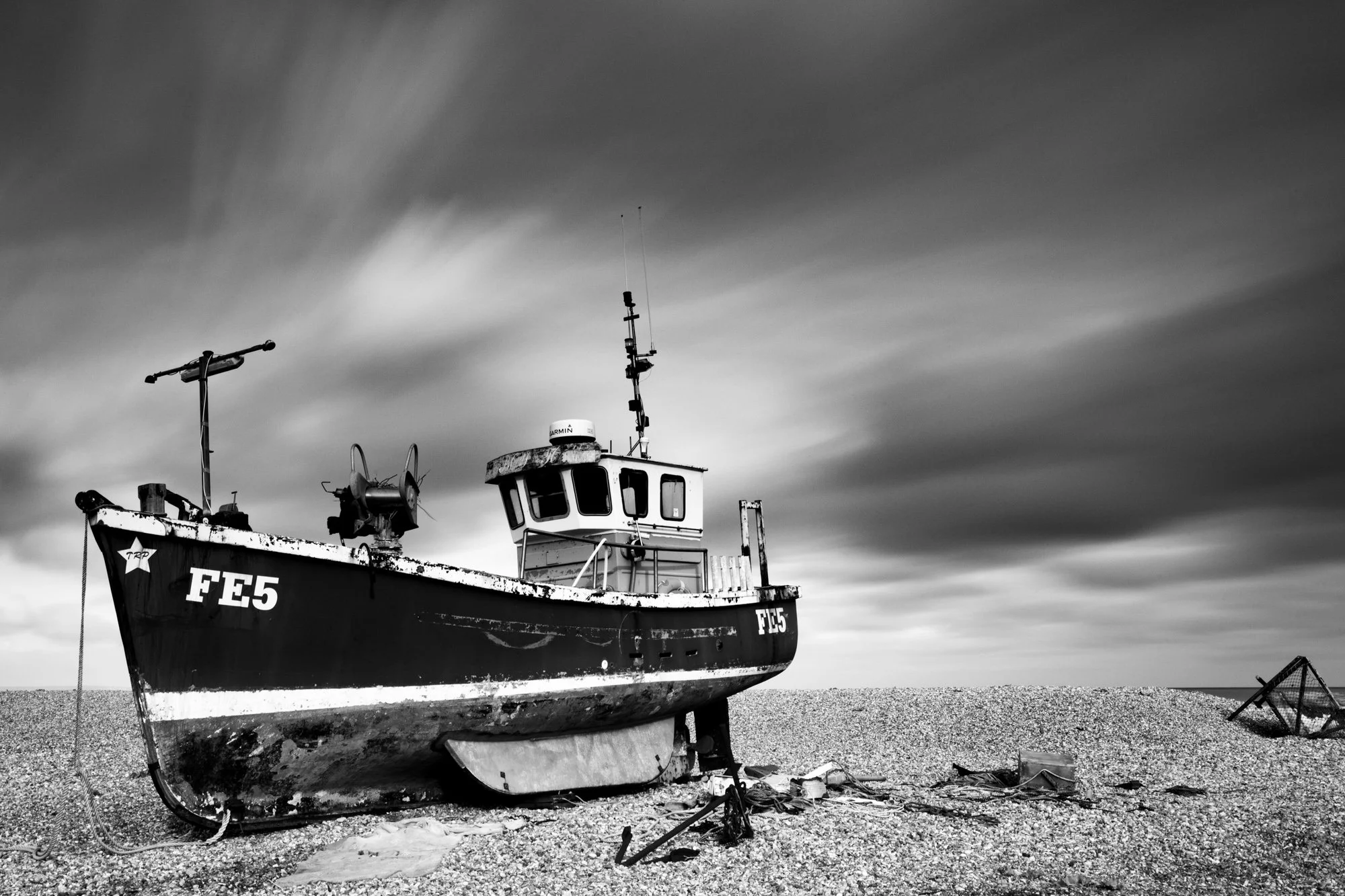
A limited colour palette, sometimes monochrome, helps reduce visual noise. High-contrast Light, Silhouettes, Texture, and Long Exposure techniques can further enhance the feeling of stillness and space.
Long Exposures, for example, can transform water and clouds into smooth, featureless surfaces, amplifying the sense of emptiness.
A Broader Movement
Emerging in the 1950s and 60s as a reaction to the complexity of Abstract Expressionism, Minimalism sought clarity and purity of form. Photographers such as Hiroshi Sugimoto and Michael Kenna exemplify how Simplicity, Space, and Light can create deep contemplative imagery.
Importantly, Minimalist Photography is not confined to one genre. It can be applied to Landscapes, Street Photography, Portraiture, or Architecture — as long as the emphasis remains on simplicity, clarity, and intentional composition.
In essence, Minimalism is about restraint. It is about trusting, that a single subject, supported by thoughtful negative space, can speak more powerfully than a crowded frame ever could by its own right.